Planning a journey to Central Asia requires a clear understanding of entry regulations. This visa policy guide for Tajikistan outlines the official entry requirements for travelers representing 198 nationalities based on current government policy. Tajikistan Visa Policy Overview # The government of Tajikistan implements a structured entry framework that categorizes international arrivals based on nationality. Foreign nationals can enter the country through several pathways, depending on their passport. These pathways include complete visa exemption for specific durations, visa-on-arrival facilities, electronic visas, and traditional consular visas. A total of 198 nationalities are accounted for within this regulatory framework, ensuring that different travelers have designated routes for legal entry. The policies range from unrestricted short-term tourism to mandatory pre-departure approvals obtained through diplomatic missions.
Understanding the visa policy for Taiwan is an essential step when planning a trip to the destination. With 198 total nationalities evaluated under the current immigration framework, entry requirements vary significantly depending on the passport you hold. Taiwan Visa Policy Overview # The official visa policy of Taiwan categorizes all 198 nationalities into distinct groups based on diplomatic relations, reciprocal agreements, and national security considerations. Travelers must verify their specific nationality’s status well in advance of their intended arrival. The regulatory structure provides certain passport holders with simplified entry through visa-free agreements, electronic travel authorizations, or electronic visas, while other visitors must obtain a traditional visa through consular offices before departure. Immigration authorities enforce these distinctions strictly at all ports of entry.
Planning a journey to Syria requires a careful review of the current entry regulations based on your nationality. Understanding these entry policies ensures compliance with national immigration laws and helps travelers prepare the correct documentation before departure. Syria Visa Policy Overview # The visa policy of Syria applies to a total of 198 nationalities, categorizing travelers into distinct groups depending on their country of citizenship. These categories determine whether a visitor requires a visa in advance, can obtain a visa upon arrival, qualifies for an electronic visa, or enjoys visa-free entry. Additionally, the policy outlines specific restrictions for certain passport holders who are denied admission entirely. Reviewing these classifications is essential for anyone intending to cross the Syrian border.
Understanding the entry rules for Switzerland is essential for planning any journey to the country. This policy guide details the different entry categories for all 198 nationalities based on official regulations. Switzerland Visa Policy Overview # Switzerland applies specific entry regulations for foreign visitors arriving from across the globe. The immigration framework separates travelers into distinct categories depending on their nationality. A total of 198 nationalities interact with these regulations, determining whether an individual can enter freely or must secure prior authorization. The system is designed to manage border crossings effectively while accommodating international travelers for tourism, business, and short-term visits. Travelers must check their specific nationality status before making travel arrangements to ensure full compliance with Swiss border authorities.

Planning a trip to Sweden requires a clear understanding of the national immigration framework and border entry protocols. This practical guide outlines the exact entry conditions for all 198 nationalities recognized under the current Swedish immigration system. Sweden Visa Policy Overview # The national visa policy of Sweden categorizes foreign nationals into distinct groups based on their citizenship to determine whether they need travel authorization before arrival. Sweden operates as part of the broader European regional travel framework, which standardizes entry conditions across participating member states. The total scope of the immigration policy encompasses 198 nationalities, divided into those who can enter without a visa, those permitted entry for up to 90 days without prior authorization, and those who must secure a visa prior to their journey. Travelers must identify their specific nationality group to ensure full compliance with Swedish border regulations before organizing transportation.
Planning a journey to Swaziland requires an understanding of the entry regulations that apply to different nationalities. This practical guide outlines the specific travel authorizations required for visitors from the total of 198 nationalities recognized under the national immigration framework. Swaziland Visa Policy Overview # The national immigration framework of Swaziland categorizes all incoming foreign nationals into distinct groups based on reciprocal agreements and diplomatic relations. Visitors arriving in the destination must possess the appropriate documentation corresponding to their nationality before attempting to cross the border. The policy divides international travelers into those who enjoy visa-free entry for a duration of 30 days and those who must secure a visa prior to their arrival. Understanding these classifications ensures compliance with local border control laws and facilitates a smooth arrival process for all international guests entering the country.

Understanding the entry requirements for Suriname is essential for all international travelers planning a journey to this South American destination. The national immigration framework divides the 198 total nationalities into specific categories, including visa-free entry for varying durations, mandatory e-visa applications, traditional visa requirements, and complete bans on admission. Reviewing these policies carefully ensures compliance with domestic laws before making any travel arrangements. Suriname Visa Policy Overview # Suriname maintains a structured immigration system that applies to 198 nationalities globally. The framework categorizes foreign visitors based on bilateral agreements, international relations, and security protocols. While certain passport holders enjoy extended stays without obtaining prior travel authorization, others must secure physical consular documents, apply for electronic travel permits, or face outright bans on entry. Travelers must verify their specific nationality’s status prior to departure, as regulations differ significantly depending on the passport used. The immigration administration strictly enforces these classifications at all ports of entry.

When planning international travel, understanding the entry regulations for your destination is an essential step. This guide outlines the official visa policies for travelers seeking to enter Sudan, categorizing entry requirements across all 198 recognized nationalities. Sudan Visa Policy Overview # The official visa policy of Sudan governs entry for all foreign nationals arriving in the country. The framework divides nationalities into distinct groups based on diplomatic agreements, regional policies, and standard immigration procedures. Travelers from a select few nations enjoy complete visa-free entry, while others qualify for specific durations without a visa, or are eligible to obtain a visa upon arrival at the port of entry. The vast majority of nationalities worldwide must secure the appropriate entry documentation in advance before traveling to Sudan. Ensuring that your nationality aligns with the correct policy category is vital for a smooth transit through Sudanese border controls.
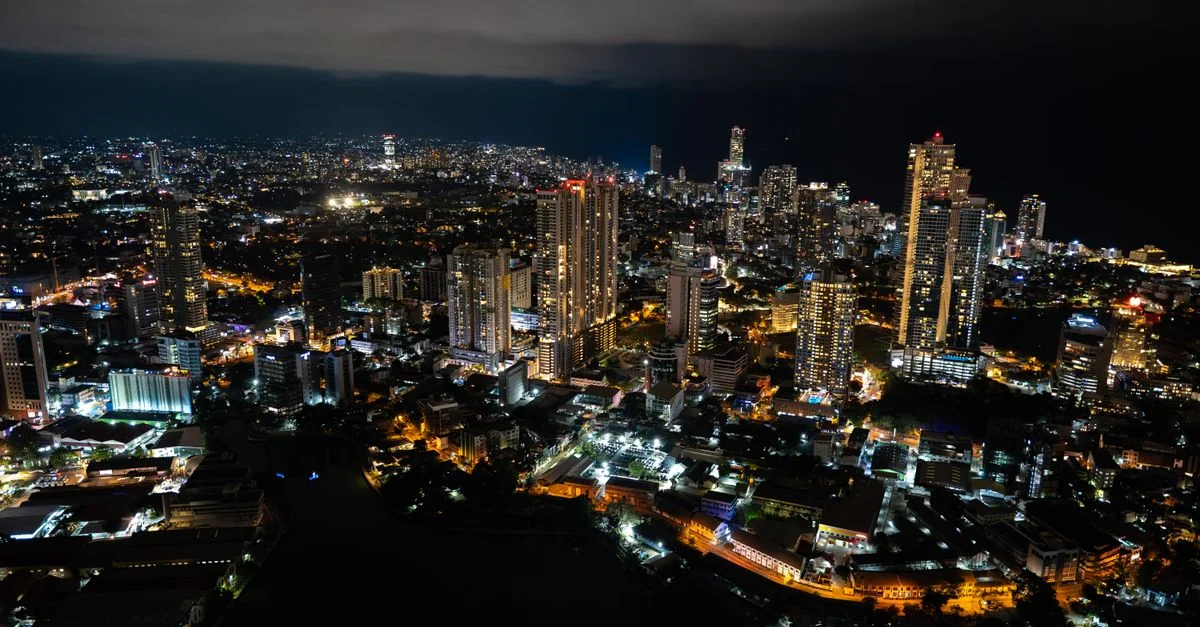
Planning a trip to Sri Lanka requires a clear understanding of the nation’s entry regulations and immigration policies. Navigating the rules for entering the destination involves reviewing how different nationalities qualify for entry, whether through visa-free access, visa-on-arrival facilities, or pre-arranged visas. Sri Lanka Visa Policy Overview # The visa policy of Sri Lanka governs entry for a total of 198 nationalities. The government enforces strict rules regarding who can enter the country, with distinct categories ranging from complete admission bans to visa-free stays and visa-on-arrival protocols. For the vast majority of the world’s populations, entry is facilitated through simplified border procedures, while citizens of a small number of specific nations face total admission restrictions or mandatory pre-approval requirements. Understanding these divisions helps travelers prepare the correct documentation before starting their journey to the destination.
Navigating the entry regulations for Spain requires understanding how different nationalities are categorized regarding travel authorization. This practical guide outlines the precise framework governing who needs a visa, who enjoys visa-free travel, and the specific entry rules for visitors arriving in the country. Spain Visa Policy Overview # The national visa policy of Spain dictates the entry conditions for 198 total nationalities. The regulatory framework divides travelers into distinct categories based on their passport issuance. These categories determine whether a person can enter without prior authorization, enjoys a specific grace period for short stays, or must secure an official entry document before initiating travel. The system applies strict compliance measures to ensure border security while facilitating tourism and business mobility across international lines.