📌 Disclaimer
Prices, schedules, tour details, flight routes, visa requirements, and all other information on this page are based on data at the time of writing. Fares, availability, and policies may change. Please verify current details on the official website before booking.
The immigration authorities in Zambia enforce these regulations to ensure national security while facilitating international movement. Travelers must verify their specific status before departure, as failure to possess the correct documentation can result in denied boarding or entry at the port of arrival. The system is designed to be accessible, with digital options available for those who do not qualify for visa-free entry or visa on arrival.
Visa-Free and Visa-on-Arrival Access#
Zambia grants visa-free access to a significant number of nations, allowing citizens to enter the country without obtaining a visa prior to arrival. Currently, 83 nationalities are permitted to enter Zambia visa-free for a duration of up to 90 days. This category includes citizens from Angola, Antigua and Barbuda, Australia, Austria, Bahamas, Bahrain, Barbados, Belgium, Belize, Botswana, Bulgaria, Canada, China, Croatia, Cyprus, Czech Republic, Denmark, Dominica, Estonia, Fiji, Finland, France, Germany, Greece, Grenada, Hong Kong, Hungary, Iraq, Ireland, Italy, Jamaica, Japan, Kenya, Kiribati, Kuwait, Latvia, Lesotho, Lithuania, Luxembourg, Malawi, Malaysia, Maldives, Malta, Marshall Islands, Mauritius, Montenegro, Mozambique, Namibia, Nauru, Netherlands, New Zealand, Norway, Oman, Poland, Portugal, Qatar, Romania, Saint Kitts and Nevis , Saint Lucia, Saint Vincent and the Grenadines , Samoa, Saudi Arabia, Serbia, Seychelles, Singapore, Slovakia, Slovenia, Solomon Islands, South Africa, South Korea, Spain, Swaziland, Sweden, Tanzania, Tonga, Trinidad and Tobago , Tuvalu, Uganda, United Arab Emirates , United Kingdom, United States, Vanuatu, and Zimbabwe.
For travelers who do not qualify for visa-free entry, the visa on arrival program offers a convenient alternative at designated ports of entry. There are 58 nationalities eligible for this service. These include citizens of Albania, Andorra, Argentina, Belarus, Bhutan, Bolivia, Bosnia and Herzegovina , Brazil, Brunei, Burundi, Cape Verde, Chile, Colombia, Comoros, Congo, Costa Rica, Cuba, DR Congo, Djibouti, Dominican Republic, Ecuador, El Salvador, Eritrea, Georgia, Ghana, Guatemala, Guyana, Haiti, Honduras, Iceland, Israel, Kazakhstan, Laos, Liechtenstein, Madagascar, Mexico, Micronesia, Moldova, Monaco, Mongolia, Myanmar, Nicaragua, North Macedonia, Palau, Panama, Paraguay, Peru, Russia, Rwanda, San Marino, Sao Tome and Principe, Suriname, Switzerland, Thailand, Turkey, Ukraine, Uruguay, and Venezuela. Travelers utilizing the visa on arrival facility should ensure they have the necessary documentation ready for inspection by immigration officers upon landing.
e-Visa and ETA Options#
The Zambian e-visa system is a mandatory requirement for citizens of 57 specific countries who do not fall under the visa-free or visa on arrival categories. This digital process allows applicants to secure their travel authorization before arriving at the border. The nationalities required to obtain an e-visa include Afghanistan, Algeria, Armenia, Azerbaijan, Bangladesh, Benin, Burkina Faso, Cambodia, Cameroon, Central African Republic, Chad, Egypt, Equatorial Guinea, Ethiopia, Gabon, Gambia, Guinea, Guinea-Bissau, India, Indonesia, Iran, Ivory Coast, Jordan, Kosovo, Kyrgyzstan, Lebanon, Liberia, Libya, Macao, Mali, Mauritania, Morocco, Nepal, Niger, Nigeria, North Korea, Pakistan, Palestine, Papua New Guinea, Philippines, Senegal, Sierra Leone, Somalia, South Sudan, Sri Lanka, Sudan, Syria, Taiwan, Tajikistan, Timor-Leste, Togo, Tunisia, Turkmenistan, Uzbekistan, Vatican, Vietnam, and Yemen.
The e-visa process is designed to streamline entry for these specific groups. Applicants must complete the online application and receive approval before they begin their journey to Zambia. It is important to note that the e-visa is the primary method of entry for these 57 nationalities, and they should not attempt to travel to Zambia without first obtaining the electronic authorization.
Entry Requirements and Practical Tips#
While the visa policy dictates the legal right to enter, all travelers must adhere to general entry requirements. Immigration officials at ports of entry retain the authority to request proof of sufficient funds to cover the duration of the stay and evidence of onward or return travel arrangements. Travelers should ensure their passports are valid for at least six months beyond the intended date of departure from Zambia.
For those utilizing the visa on arrival service, it is advisable to carry the exact fee in the required currency, as facilities for electronic payments or currency exchange may vary by port of entry. While the specific costs for visas are subject to government adjustment, travelers should be prepared to pay the standard processing fees as mandated by the immigration department. It is also recommended that all visitors carry a printed copy of their e-visa approval notice or any relevant travel documentation to present to border authorities upon request.
Maintaining compliance with the duration of stay is critical. Those entering under the 90-day visa-free allowance must ensure they do not exceed this period, as overstaying can lead to fines, deportation, or future travel restrictions. If a traveler intends to stay longer than the permitted period, they must contact the local immigration office to inquire about potential extensions or permit changes before their current status expires. By following these established procedures and respecting the immigration laws of Zambia, travelers can ensure a smooth and compliant entry process.
📌 Disclaimer
Prices, schedules, tour details, flight routes, visa requirements, and all other information on this page are based on data at the time of writing. Fares, availability, and policies may change. Please verify current details on the official website before booking.
Top Tours & Activities
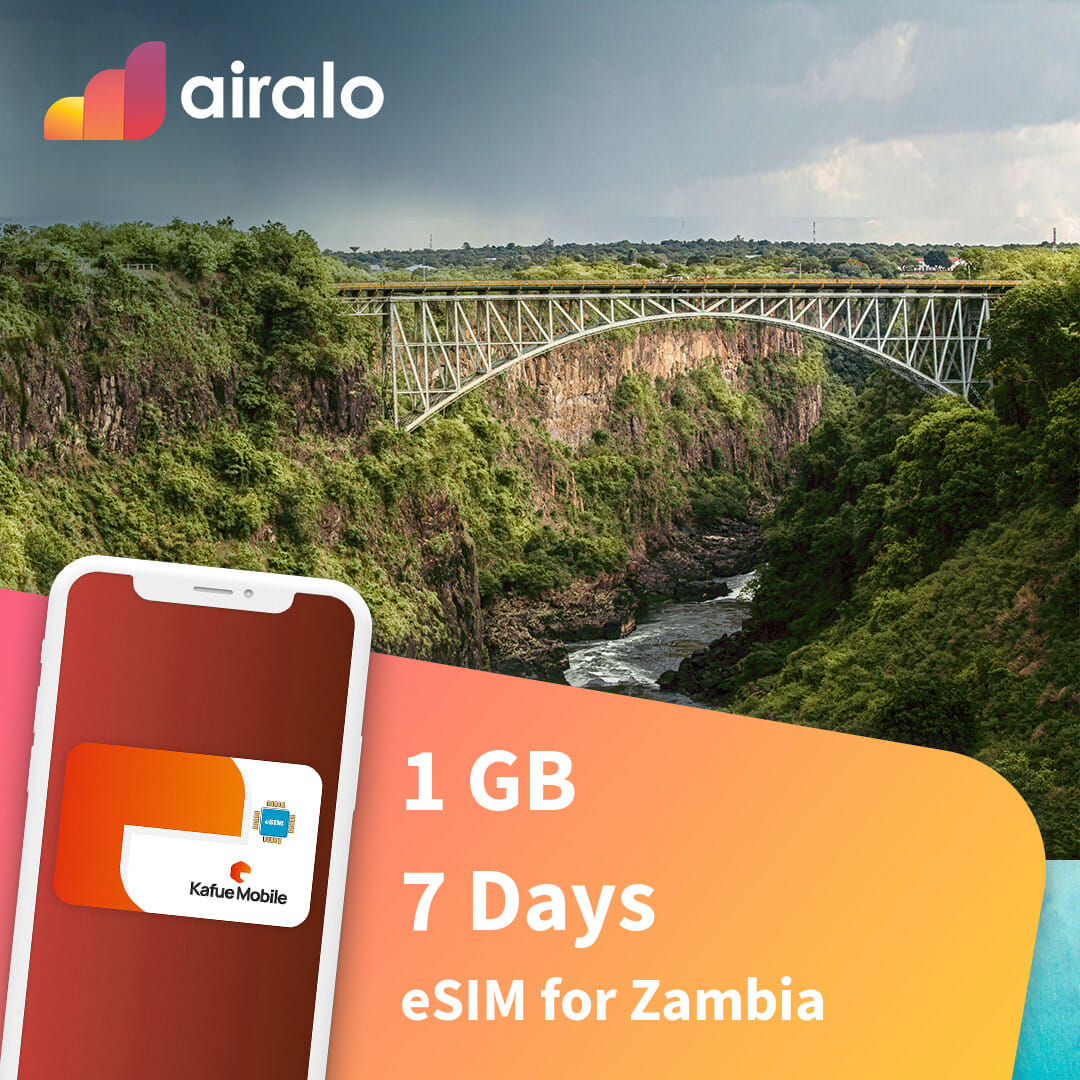
Zambia eSIM - 1 GB Zambia travel eSIM valid for 7 days
eSIM
From $8

Airport & Hotel Transfers
From $11
📌 More about Zambia