📌 Disclaimer
Prices, schedules, tour details, flight routes, visa requirements, and all other information on this page are based on data at the time of writing. Fares, availability, and policies may change. Please verify current details on the official website before booking.
The immigration framework is divided into several distinct tiers. The most favorable status is granted to citizens of countries that enjoy visa-free access for varying durations. For those who do not qualify for visa-free entry, the e-visa system serves as the primary method for obtaining authorization to enter the country. It is essential for travelers to verify their specific nationality status against these categories before making travel arrangements, as entry requirements are strictly enforced at all ports of entry.
Visa-Free and Visa-on-Arrival Access#
Vietnam provides visa-free entry to citizens of 27 specific countries, with the duration of stay determined by bilateral agreements and government policy. These durations range from 14 days to 90 days.

Citizens of Chile and Panama are granted the longest visa-free stay, allowing them to remain in Vietnam for up to 90 days without a visa.
A group of 13 countries benefits from a 45-day visa-free entry period. This category includes Belarus, Denmark, Finland, France, Germany, Italy, Japan, Norway, Russia, South Korea, Spain, Sweden, and the United Kingdom.
Travelers from 10 countries are permitted to enter Vietnam visa-free for a duration of 30 days. This group consists of Cambodia, Indonesia, Kazakhstan, Kyrgyzstan, Laos, Malaysia, Mongolia, Myanmar, Singapore, and Thailand.
Citizens of the Philippines are eligible for a visa-free stay of up to 21 days. Finally, citizens of Brunei are granted visa-free entry for a period of up to 14 days. Travelers eligible for these visa-free periods must ensure their passports meet the validity requirements typically enforced by immigration authorities upon arrival.
e-Visa and ETA Options#
The e-visa system is the most common entry route for the majority of international travelers visiting Vietnam. A total of 171 nationalities are eligible to apply for an e-visa. This digital authorization process allows applicants to secure their entry documentation prior to arrival.
The nationalities eligible for the Vietnam e-visa are as follows: Afghanistan, Albania, Algeria, Andorra, Angola, Antigua and Barbuda, Argentina, Armenia, Australia, Austria, Azerbaijan, Bahamas, Bahrain, Bangladesh, Barbados, Belgium, Belize, Benin, Bhutan, Bolivia, Bosnia and Herzegovina , Botswana, Brazil, Bulgaria, Burkina Faso, Burundi, Cameroon, Canada, Cape Verde, Central African Republic, Chad, China, Colombia, Comoros, Congo, Costa Rica, Croatia, Cuba, Cyprus, Czech Republic, DR Congo, Djibouti, Dominica, Dominican Republic, Ecuador, Egypt, El Salvador, Equatorial Guinea, Eritrea, Estonia, Ethiopia, Fiji, Gabon, Gambia, Georgia, Ghana, Greece, Grenada, Guatemala, Guinea, Guinea-Bissau, Guyana, Haiti, Honduras, Hong Kong, Hungary, Iceland, India, Iran, Iraq, Ireland, Israel, Ivory Coast, Jamaica, Jordan, Kenya, Kiribati, Kosovo, Kuwait, Latvia, Lebanon, Lesotho, Liberia, Libya, Liechtenstein, Lithuania, Luxembourg, Macao, Madagascar, Malawi, Maldives, Mali, Malta, Marshall Islands, Mauritania, Mauritius, Mexico, Micronesia, Moldova, Monaco, Montenegro, Morocco, Mozambique, Namibia, Nauru, Nepal, Netherlands, New Zealand, Nicaragua, Niger, Nigeria, North Korea, North Macedonia, Oman, Pakistan, Palau, Palestine, Papua New Guinea, Paraguay, Peru, Poland, Portugal, Qatar, Romania, Rwanda, Saint Kitts and Nevis , Saint Lucia, Saint Vincent and the Grenadines , Samoa, San Marino, Sao Tome and Principe, Saudi Arabia, Senegal, Serbia, Seychelles, Sierra Leone, Slovakia, Slovenia, Solomon Islands, Somalia, South Africa, South Sudan, Sri Lanka, Sudan, Suriname, Swaziland, Switzerland, Syria, Taiwan, Tajikistan, Tanzania, Timor-Leste, Togo, Tonga, Trinidad and Tobago , Tunisia, Turkey, Turkmenistan, Tuvalu, Uganda, Ukraine, United Arab Emirates , United States, Uruguay, Uzbekistan, Vanuatu, Vatican, Venezuela, Yemen, Zambia, and Zimbabwe.
The e-visa process requires applicants to submit their information through the official portal. Once approved, the electronic document must be presented to immigration officials at the port of entry. It is recommended that travelers apply well in advance of their intended departure date to account for processing times.
Countries That Require a Visa#
While the vast majority of the 198 nationalities recognized by Vietnam fall under either the visa-free or e-visa categories, it is important to note that the provided data covers all 198 nationalities through these two primary systems. There are no nationalities listed in the provided data that are explicitly excluded from both visa-free and e-visa access. Consequently, every traveler should determine if they qualify for one of the visa-free durations or if they must utilize the e-visa application process. If a nationality is not listed in the visa-free categories, it is categorized within the 171 nationalities eligible for the e-visa.
Entry Requirements and Practical Tips#
When preparing for entry into Vietnam, travelers should ensure their travel documents are in order. A passport must generally have a minimum validity period, often six months beyond the date of arrival, to be accepted by immigration authorities. Travelers should verify the specific expiration requirements for their passport before booking flights.
For those utilizing the e-visa, it is advisable to print a physical copy of the approved document. While digital copies are often accepted, having a hard copy can expedite the processing time at customs and immigration checkpoints. Travelers should also be aware that the duration of stay granted at the border is final and must be strictly adhered to. Overstaying a visa or a visa-free period can result in fines, deportation, or future travel restrictions.
It is also important to note that visa policies are subject to change based on government regulations. Travelers should check the official government sources for the most current information regarding their specific nationality before finalizing their travel plans. Because the e-visa covers such a broad range of countries, it remains the most reliable method for those who do not qualify for visa-free entry. By following the established procedures and ensuring all documentation is accurate, travelers can facilitate a smooth entry process into Vietnam. Always confirm that the port of entry you intend to use accepts e-visas, as some remote border crossings may have different operational capabilities compared to major international airports.
📌 Disclaimer
Prices, schedules, tour details, flight routes, visa requirements, and all other information on this page are based on data at the time of writing. Fares, availability, and policies may change. Please verify current details on the official website before booking.
Top Tours & Activities
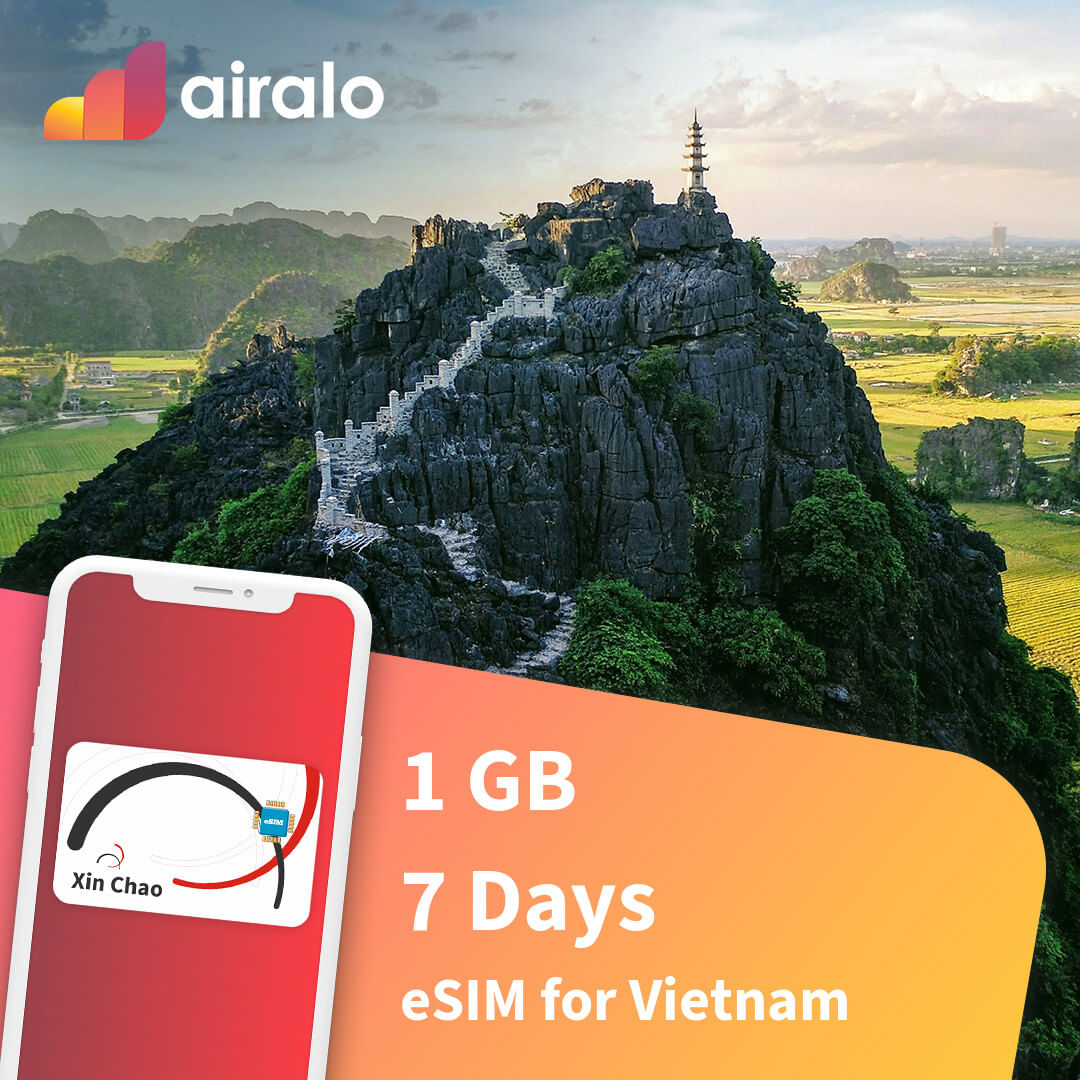
Vietnam eSIM - 1 GB Vietnam travel eSIM valid for 7 days
eSIM
From $4

Discover Hanoi: A Self-Guided Tour
Day Trips
From $1
📌 More about Vietnam