📌 Disclaimer
Prices, schedules, tour details, flight routes, visa requirements, and all other information on this page are based on data at the time of writing. Fares, availability, and policies may change. Please verify current details on the official website before booking.
Sierra Leone Visa Policy Overview#
Navigating the entry regulations for Sierra Leone requires an understanding of the specific policies established for different nationalities. The country enforces a structured immigration framework that accommodates a total of 198 nationalities. Depending on the traveler’s passport, entry permissions range from complete exemptions to mandatory advance visa procurement through diplomatic missions.
The immigration system categorizes travelers into distinct groups: those who enjoy visa-free entry, those eligible for visas upon arrival, applicants who must secure an electronic visa before departure, and nationalities that require a traditional visa sticker prior to travel. By clearly defining these pathways, Sierra Leone manages its borders while facilitating international mobility for tourists, business visitors, and transit passengers.
Visa-Free and Visa-on-Arrival Access#
A significant number of nationalities can enter Sierra Leone without obtaining a traditional visa in advance, either through bilateral agreements or regional frameworks. Specifically, citizens of 14 countries enjoy standard visa-free access. This group includes Benin, Burkina Faso, Cape Verde, Gambia, Ghana, Guinea, Guinea-Bissau, Ivory Coast, Liberia, Mali, Niger, Nigeria, Senegal, and Togo.
Additionally, citizens of Mauritania benefit from visa-free entry for up to 90 days. This distinct duration provides an extended timeframe for travelers holding Mauritanian passports.
For those who do not qualify for complete visa exemptions, Sierra Leone offers a visa-on-arrival facility for a large segment of the global community. Exactly 111 nationalities can obtain their entry documentation directly at the port of entry. This category covers Antigua and Barbuda, Armenia, Australia, Austria, Azerbaijan, Bahamas, Bahrain, Bangladesh, Barbados, Belarus, Belgium, Belize, Bolivia, Botswana, Brazil, Brunei, Bulgaria, Cambodia, Cameroon, Canada, China, Croatia, Cyprus, Czech Republic, Denmark, Dominica, Estonia, Fiji, Finland, France, Georgia, Germany, Greece, Grenada, Guyana, Hungary, India, Indonesia, Iran, Ireland, Israel, Italy, Jamaica, Japan, Kazakhstan, Kenya, Kiribati, Kuwait, Kyrgyzstan, Latvia, Lebanon, Lesotho, Liechtenstein, Lithuania, Luxembourg, Macao, Malawi, Malaysia, Malta, Mauritius, Moldova, Mozambique, Namibia, Nauru, Netherlands, New Zealand, Norway, Oman, Pakistan, Papua New Guinea, Poland, Portugal, Qatar, Romania, Russia, Rwanda, Saint Kitts and Nevis , Saint Lucia, Saint Vincent and the Grenadines , Samoa, Saudi Arabia, Seychelles, Singapore, Slovakia, Slovenia, Solomon Islands, South Africa, South Korea, Spain, Sri Lanka, Swaziland, Sweden, Switzerland, Tajikistan, Tanzania, Thailand, Timor-Leste, Tonga, Trinidad and Tobago, Turkey, Turkmenistan, Tuvalu, Uganda, Ukraine, United Arab Emirates , United Kingdom, United States, Uzbekistan, Vanuatu, Vietnam, and Zambia.
e-Visa and ETA Options#
Travelers who do not fall under the visa-free or visa-on-arrival categories may be required to utilize electronic travel authorization systems. Sierra Leone maintains an e-visa program that streamlines the application process for 71 nationalities, allowing applicants to submit their documentation online prior to departure.
The nationalities eligible for the e-visa include Afghanistan, Albania, Algeria, Andorra, Angola, Argentina, Bhutan, Bosnia and Herzegovina , Burundi, Central African Republic, Chad, Chile, Colombia, Comoros, Congo, Costa Rica, Cuba, DR Congo, Djibouti, Dominican Republic, Ecuador, Egypt, El Salvador, Equatorial Guinea, Eritrea, Ethiopia, Gabon, Guatemala, Haiti, Honduras, Hong Kong, Iceland, Iraq, Jordan, Kosovo, Laos, Libya, Madagascar, Maldives, Marshall Islands, Mexico, Micronesia, Monaco, Mongolia, Montenegro, Morocco, Myanmar, Nepal, Nicaragua, North Korea, North Macedonia, Palau, Palestine, Paraguay, Peru, Philippines, San Marino, Sao Tome and Principe , Serbia, Somalia, South Sudan, Sudan, Suriname, Syria, Taiwan, Tunisia, Uruguay, Vatican, Venezuela, Yemen, and Zimbabwe.
Utilizing the e-visa platform allows these passport holders to complete the pre-travel clearance procedure digitally. Applicants typically need to provide travel itineraries, personal identification documents, and proof of accommodation or financial support as part of the digital submission process.
Countries That Require a Visa#
While the majority of the world’s nationalities can access Sierra Leone through simplified pathways such as visa-free entry, visas on arrival, or electronic visas, certain exceptions exist. A small subset of foreign nationals must adhere to standard consular processing requirements.
Specifically, citizens of Panama require a traditional visa to enter Sierra Leone. Travelers holding a passport from Panama cannot utilize the visa-on-arrival or e-visa systems based on the current immigration framework. Instead, they must submit their visa applications through the appropriate diplomatic mission or embassy of Sierra Leone before making any travel arrangements. Securing this advance documentation is mandatory for boarding flights and passing through border control upon arrival in the country.
Entry Requirements and Practical Tips#
Entering Sierra Leone involves meeting standard international travel conditions alongside specific national mandates. All incoming visitors must possess a valid passport with adequate blank pages and sufficient validity remaining beyond their planned departure date. Border officials routinely inspect return or onward travel tickets, as well as evidence of sufficient financial means to cover the duration of the stay.
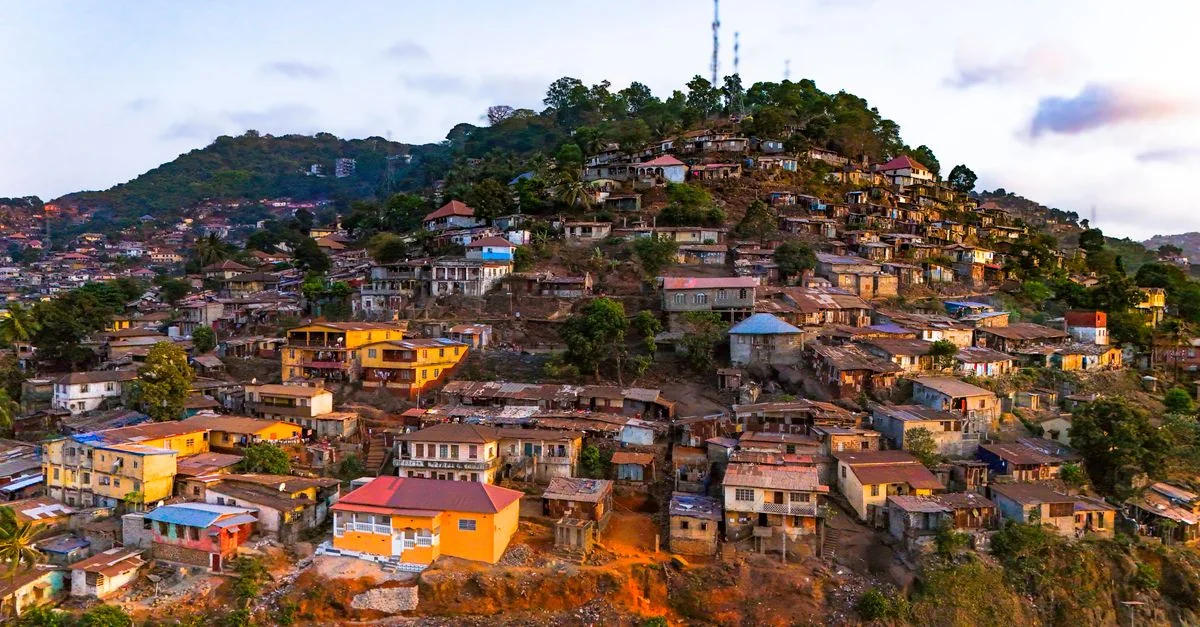
Health regulations play a prominent role in Sierra Leone border control procedures. Travelers must frequently present an international certificate of vaccination, most notably proof of yellow fever immunization, upon arrival at the port of entry. Failing to provide required health documentation can result in entry denials or mandatory on-site vaccination protocols, depending on current public health guidelines enforced by the Ministry of Health.
Visitors utilizing the visa-on-arrival facility should ensure they carry the necessary processing fees, typically payable in major international currencies or local currency as specified by immigration authorities. Because payment systems at border checkpoints can occasionally experience technical disruptions, carrying physical cash for visa fees and local expenses is a prudent measure for all arriving passengers.
For those qualifying for electronic visas, printing a physical copy of the approved e-visa document alongside digital backups helps expedite the verification process with airline staff during check-in and with immigration officers upon landing. Keeping all relevant travel documents, including accommodation details and invitation letters if visiting for business, organized in a single folder simplifies the clearance procedure at Freetown International Airport or land borders.
📌 Disclaimer
Prices, schedules, tour details, flight routes, visa requirements, and all other information on this page are based on data at the time of writing. Fares, availability, and policies may change. Please verify current details on the official website before booking.

📌 More about Sierra Leone