📌 Disclaimer
Prices, schedules, tour details, flight routes, visa requirements, and all other information on this page are based on data at the time of writing. Fares, availability, and policies may change. Please verify current details on the official website before booking.
Serbia Visa Policy Overview#
Understanding the immigration framework for entering Serbia requires reviewing the specific policies set by the government for foreign nationals across the globe. Serbia maintains distinct diplomatic agreements and border control regulations for 198 nationalities. Depending on the traveler’s nationality, entry into Serbia may be permitted without any documentation beyond a passport, or it may require obtaining an entry permit in advance through a diplomatic mission. The regulatory structure categorizes international visitors based on reciprocal agreements, bilateral treaties, and national security considerations.
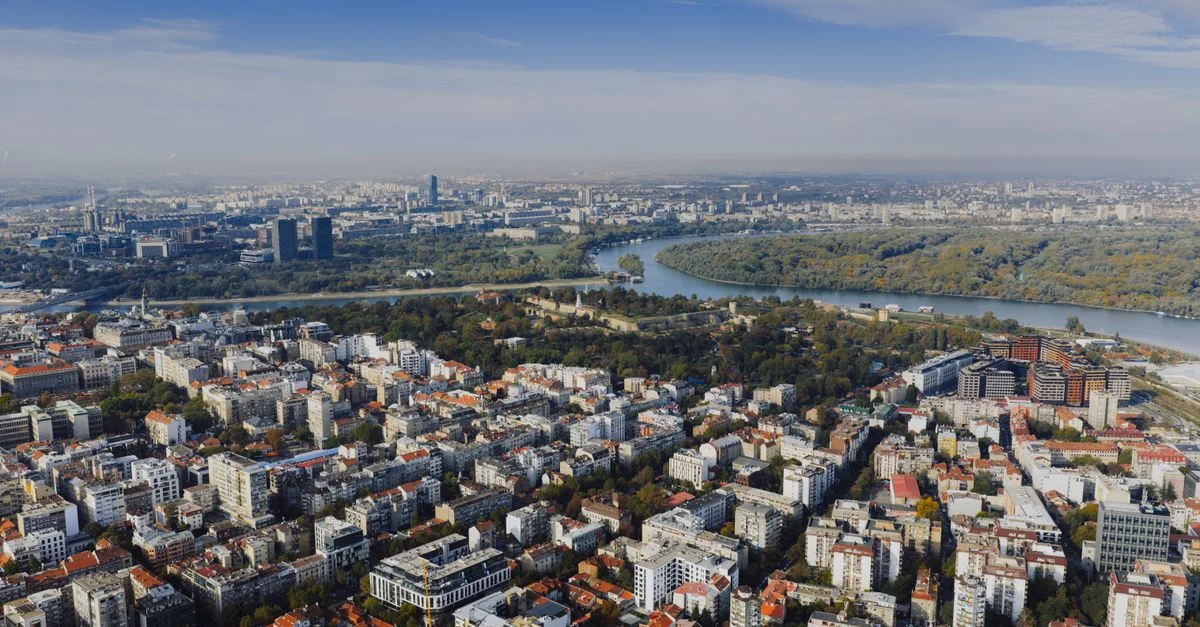
The entry framework is divided into multiple distinct categories. A select group of travelers enjoys visa-free access based on specific duration limits, while a large majority of the world’s nations face strict pre-travel authorization mandates. Reviewing these classifications helps prospective travelers determine their exact legal status before making travel arrangements to the country.
Visa-Free and Visa-on-Arrival Access#
Visitors from a total of 90 nationalities are permitted to enter Serbia without securing an entry permit beforehand, provided their stay remains within the legally prescribed time limits. These exemptions vary in duration, ranging from short 14-day visits up to extended 90-day stays.
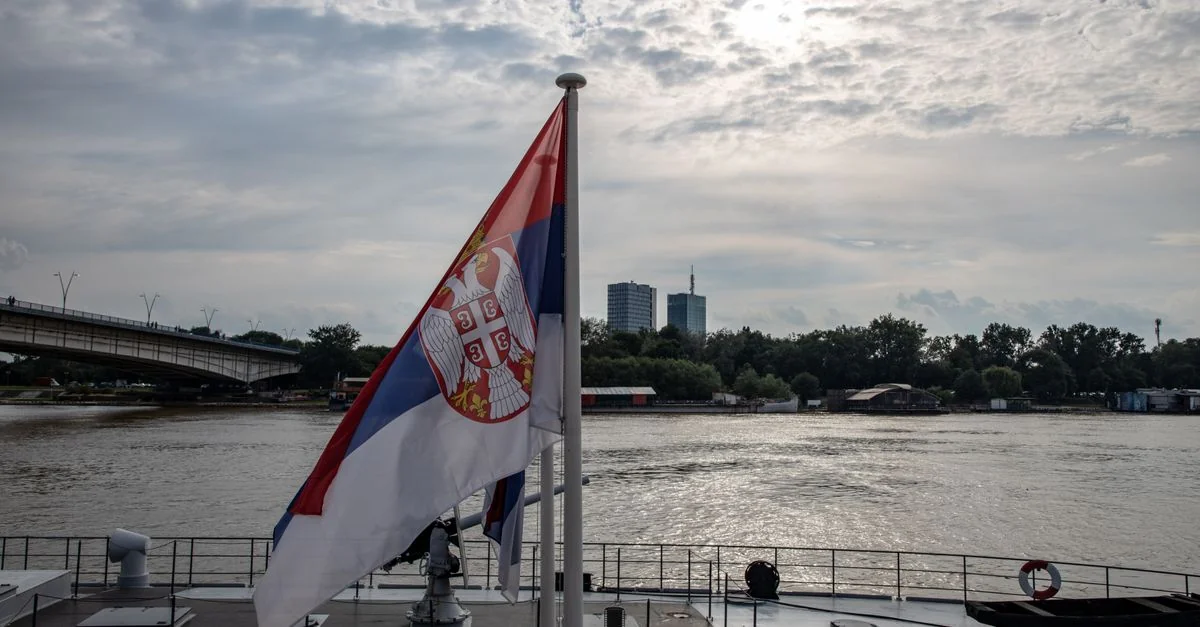
Travelers from Kosovo are granted general visa-free entry without a specified duration limit in the provided data categories.
For stays up to 14 days, citizens of Hong Kong may enter Serbia without a visa.
A 30-day visa-free allowance applies to citizens of 13 countries: Bahamas, Barbados, Belarus, China, Colombia, Georgia, Indonesia, Jamaica, Kazakhstan, Paraguay, Russia, Saint Vincent and the Grenadines , and Suriname.
A larger group of 75 nationalities benefits from a 90-day visa-free allowance. This group includes citizens of Albania, Andorra, Antigua and Barbuda, Argentina, Armenia, Australia, Austria, Azerbaijan, Bahrain, Belgium, Bosnia and Herzegovina , Brazil, Bulgaria, Canada, Chile, Costa Rica, Croatia, Cyprus, Czech Republic, Denmark, Dominica, Estonia, Finland, France, Germany, Greece, Grenada, Hungary, Iceland, Ireland, Israel, Italy, Japan, Kuwait, Kyrgyzstan, Latvia, Liechtenstein, Lithuania, Luxembourg, Macao, Malta, Mexico, Moldova, Monaco, Mongolia, Montenegro, Netherlands, New Zealand, North Macedonia, Norway, Oman, Palau, Peru, Poland, Portugal, Qatar, Romania, Saint Kitts and Nevis , San Marino, Seychelles, Singapore, Slovakia, Slovenia, South Korea, Spain, Sweden, Switzerland, Trinidad and Tobago, Turkey, Ukraine, United Arab Emirates , United Kingdom, United States, Uruguay, and Vatican.
Countries That Require a Visa#
The vast majority of the 198 tracked nationalities—specifically 108 countries—must obtain a visa before traveling to Serbia. Travelers falling under this requirement cannot board flights or cross borders into the country without securing the proper documentation from a Serbian embassy or consulate prior to departure.
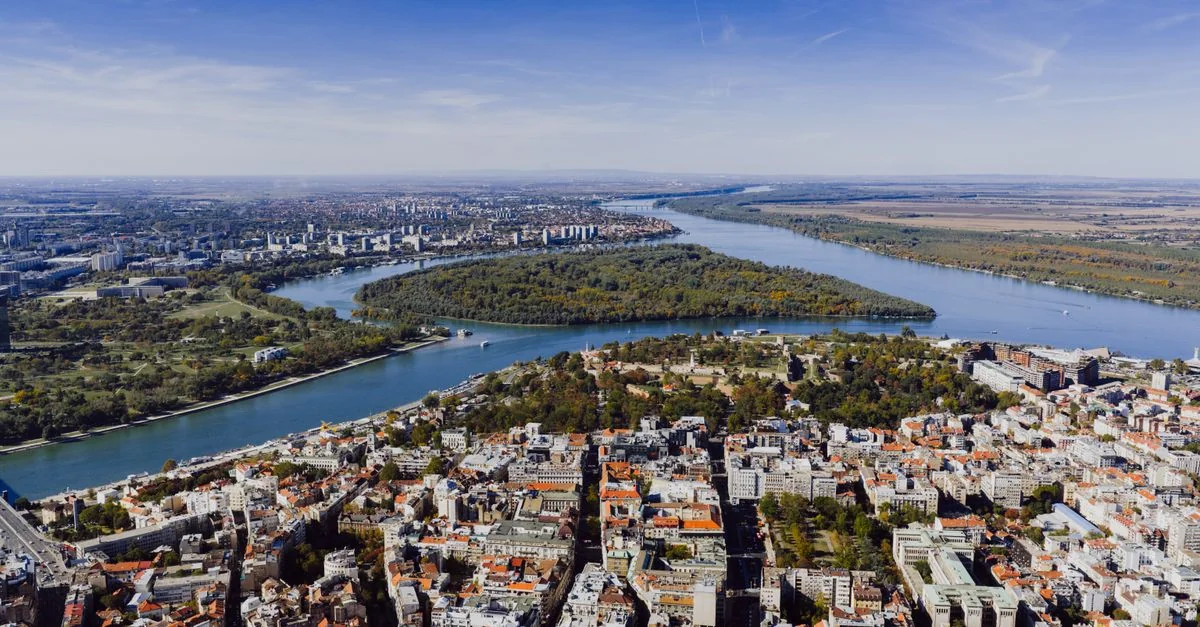
The 108 nationalities that require a visa to enter Serbia are: Afghanistan, Algeria, Angola, Bangladesh, Belize, Benin, Bhutan, Bolivia, Botswana, Brunei, Burkina Faso, Burundi, Cambodia, Cameroon, Cape Verde, Central African Republic, Chad, Comoros, Congo, Cuba, DR Congo, Djibouti, Dominican Republic, Ecuador, Egypt, El Salvador, Equatorial Guinea, Eritrea, Ethiopia, Fiji, Gabon, Gambia, Ghana, Guatemala, Guinea, Guinea-Bissau, Guyana, Haiti, Honduras, India, Iran, Iraq, Ivory Coast, Jordan, Kenya, Kiribati, Laos, Lebanon, Lesotho, Liberia, Libya, Madagascar, Malawi, Malaysia, Maldives, Mali, Marshall Islands, Mauritania, Mauritius, Micronesia, Morocco, Mozambique, Myanmar, Namibia, Nauru, Nepal, Nicaragua, Niger, Nigeria, North Korea, Pakistan, Palestine, Panama, Papua New Guinea, Philippines, Rwanda, Saint Lucia, Samoa, Sao Tome and Principe , Saudi Arabia, Senegal, Sierra Leone, Solomon Islands, Somalia, South Africa, South Sudan, Sri Lanka, Sudan, Swaziland, Syria, Taiwan, Tajikistan, Tanzania, Thailand, Timor-Leste, Togo, Tonga, Tunisia, Turkmenistan, Tuvalu, Uganda, Uzbekistan, Vanuatu, Venezuela, Vietnam, Yemen, Zambia, and Zimbabwe.
Citizens belonging to these nations must carefully coordinate their visa applications through official diplomatic channels well in advance of their intended travel dates. Failing to secure this authorization results in a denial of boarding by carriers and a refusal of entry at the border ports.
Entry Requirements and Practical Tips#
Navigating the border control process in Serbia involves meeting standard international travel compliance rules alongside the specific nationality-based policies outlined in the national immigration framework. All foreign nationals, regardless of whether they require a visa or hold visa-free status, must present a valid passport upon arrival. Border officials inspect travel documents to ensure validity and may ask travelers to state the purpose of their visit, provide proof of sufficient financial funds for the duration of their stay, and show evidence of accommodation or a return travel ticket.
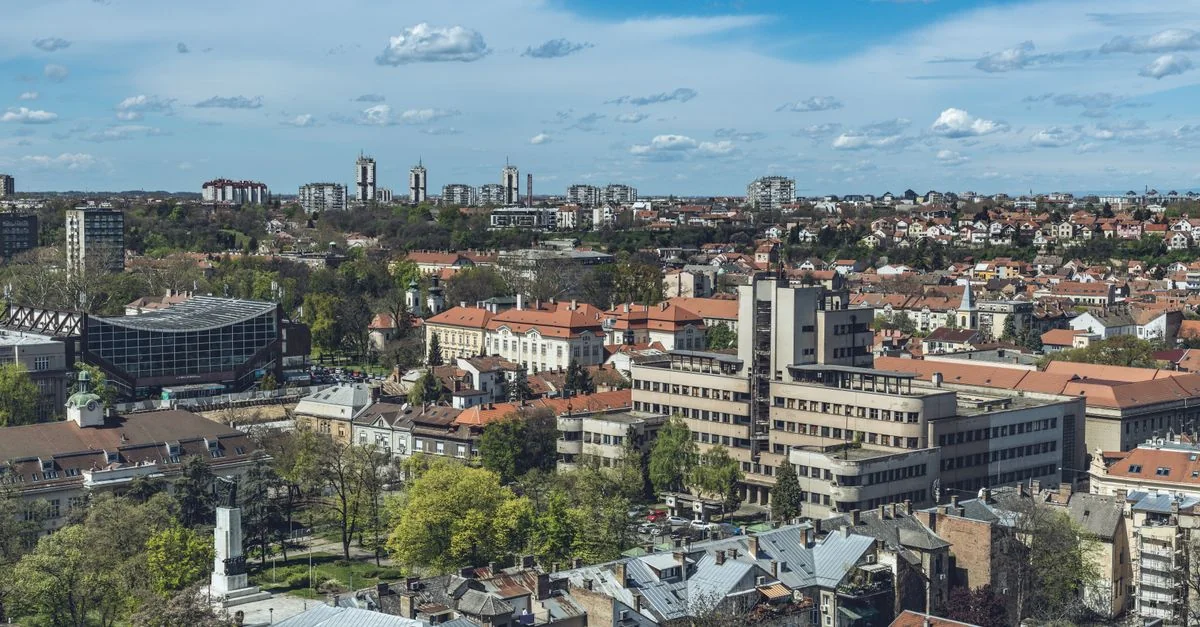
For individuals entering under the 14-day, 30-day, or 90-day visa-free categories, tracking the exact length of stay is critical. Overstaying the permitted duration violates national immigration laws and can lead to fines, detention, or formal deportation proceedings accompanied by future travel bans. The calculation of days begins on the exact date of entry into the territory. Travelers who wish to stay longer than their permitted visa-free window must generally exit the country and re-enter only if permitted by multi-entry regulations, or seek proper authorization through domestic administrative channels if eligible.
For those requiring a visa, preparation is the key to a successful journey. Because consular processing times vary, applicants should initiate the paperwork weeks or months before their intended departure. Supporting documents typically include a completed application form, a passport valid for at least three months beyond the planned departure date, passport-sized photographs, travel health insurance, proof of financial means, and a detailed itinerary or invitation letter. Ensuring every document complies with consular specifications prevents processing delays.
Upon arrival at air, land, or sea border checkpoints, cooperation with border control officers ensures a smooth entry process. Travelers should keep their passports, travel tickets, and lodging details readily accessible. Adhering strictly to the conditions tied to each specific nationality category guarantees lawful entry and a trouble-free stay in Serbia.
📌 Disclaimer
Prices, schedules, tour details, flight routes, visa requirements, and all other information on this page are based on data at the time of writing. Fares, availability, and policies may change. Please verify current details on the official website before booking.
Top Tours & Activities

Serbia eSIM - 1 GB Serbia travel eSIM valid for 7 days
eSIM
From $4

Belgrade Scavenger Hunt & Self-Guided Audio Walking Tour
Escape Rooms
From $5
📌 More about Serbia