📌 Disclaimer
Prices, schedules, tour details, flight routes, visa requirements, and all other information on this page are based on data at the time of writing. Fares, availability, and policies may change. Please verify current details on the official website before booking.
Croatia Visa Policy Overview#
Croatia, a member of the European Union, has a structured visa policy that determines the entry requirements for foreign nationals. The country allows various nationalities to enter without a visa, while others must obtain a visa prior to their arrival. As of now, a total of 198 nationalities are recognized under Croatia’s visa policy, which categorizes them into three main groups: visa-free access, visa-free access for a limited duration, and those requiring a visa.
Visa-Free and Visa-on-Arrival Access#

Croatia offers visa-free access to 29 nationalities. Citizens from these countries can enter Croatia without needing a visa for their stay. The countries that enjoy this privilege include:
Belgium, Bulgaria, Cyprus, Czech Republic , Denmark, Estonia, Finland, France, Germany, Greece, Hungary, Iceland, Ireland, Italy, Latvia, Liechtenstein, Lithuania, Luxembourg, Malta, Netherlands, Norway, Poland, Portugal, Romania, Slovakia, Slovenia, Spain, Sweden, and Switzerland.
Additionally, there are 64 nationalities that can enter Croatia without a visa for a duration of up to 90 days. This group includes:
Albania, Andorra, Antigua and Barbuda, Argentina, Australia, Austria, Bahamas, Barbados, Bosnia and Herzegovina, Brazil, Brunei, Canada, Chile, Colombia, Costa Rica, Dominica, El Salvador, Georgia, Grenada, Guatemala, Honduras, Hong Kong, Israel, Japan, Kiribati, Kosovo, Macao, Malaysia, Marshall Islands, Mauritius, Mexico, Micronesia, Moldova, Monaco, Montenegro, New Zealand, Nicaragua, North Macedonia, Palau, Panama, Paraguay, Peru, Saint Kitts and Nevis , Saint Lucia, Saint Vincent and the Grenadines , Samoa, San Marino, Serbia, Seychelles, Singapore, Solomon Islands, South Korea, Taiwan, Timor-Leste, Tonga, Trinidad and Tobago, Tuvalu, Ukraine, United Arab Emirates , United Kingdom , United States, Uruguay, Vatican, and Venezuela.
e-Visa and ETA Options#
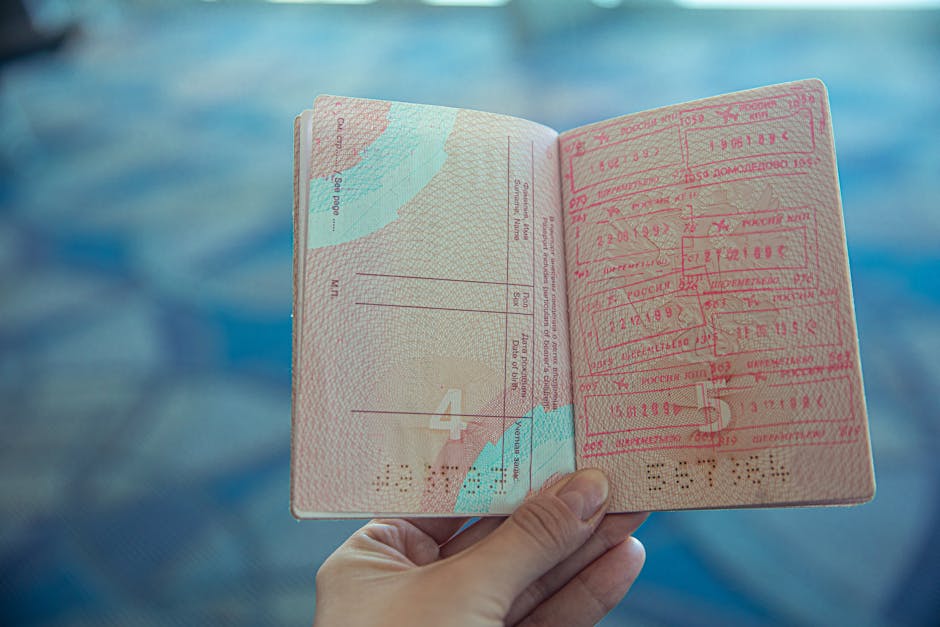
Currently, Croatia does not offer an e-Visa or Electronic Travel Authorization (ETA) system for travelers. Individuals from countries that require a visa must apply for a traditional visa through the appropriate channels before their journey.
Countries That Require a Visa#

A significant number of nationalities, specifically 105, are required to obtain a visa prior to entering Croatia. This group includes:
Afghanistan, Algeria, Angola, Armenia, Azerbaijan, Bahrain, Bangladesh, Belarus, Belize, Benin, Bhutan, Bolivia, Botswana, Burkina Faso, Burundi, Cambodia, Cameroon, Cape Verde, Central African Republic, Chad, China, Comoros, Congo, Cuba, DR Congo, Djibouti, Dominican Republic, Ecuador, Egypt, Equatorial Guinea, Eritrea, Ethiopia, Fiji, Gabon, Gambia, Ghana, Guinea, Guinea-Bissau, Guyana, Haiti, India, Indonesia, Iran, Iraq, Ivory Coast, Jamaica, Jordan, Kazakhstan, Kenya, Kuwait, Kyrgyzstan, Laos, Lebanon, Lesotho, Liberia, Libya, Madagascar, Malawi, Maldives, Mali, Mauritania, Mongolia, Morocco, Mozambique, Myanmar, Namibia, Nauru, Nepal, Niger, Nigeria, North Korea, Oman, Pakistan, Palestine, Papua New Guinea, Philippines, Qatar, Russia, Rwanda, Sao Tome and Principe, Saudi Arabia, Senegal, Sierra Leone, Somalia, South Africa, South Sudan, Sri Lanka, Sudan, Suriname, Swaziland, Syria, Tajikistan, Tanzania, Thailand, Togo, Tunisia, Turkey, Turkmenistan, Uganda, Uzbekistan, Vanuatu, Vietnam, Yemen, Zambia, and Zimbabwe.
Entry Requirements and Practical Tips#

Travelers planning to visit Croatia should be aware of the entry requirements that apply based on their nationality. For those who are visa-exempt, it is important to ensure that their passport is valid for at least three months beyond their planned departure date from Croatia. Additionally, the passport should have been issued within the last ten years.
For individuals requiring a visa, it is advisable to apply well in advance of their travel dates. The application process typically involves submitting a completed visa application form, a valid passport, recent photographs, proof of accommodation, travel insurance, and evidence of sufficient financial means for the duration of the stay.
Travelers should also be aware of any additional health and safety regulations that may be in place, especially in light of ongoing global health concerns. It is recommended to check for any travel advisories or updates from relevant authorities prior to departure.
Understanding Croatia’s visa policy is essential for a smooth entry into the country. By adhering to the requirements and preparing accordingly, travelers can ensure a successful visit to this European destination.