📌 Disclaimer
Prices, schedules, tour details, flight routes, visa requirements, and all other information on this page are based on data at the time of writing. Fares, availability, and policies may change. Please verify current details on the official website before booking.
Photo by O-seop Sim on Pexels
Why Visit Seoul ?#
Seoul, the vibrant capital of South Korea , is a city where ancient tradition meets cutting-edge technology. It’s a place that pulses with energy, offering travelers a unique blend of historical palaces, bustling markets, and futuristic skyscrapers. As you wander through the streets, you’ll find yourself stepping into the past at Gyeongbokgung Palace and then suddenly transported to the present in the trendy district of Gangnam. The rich history, coupled with a modern lifestyle, makes Seoul a fascinating destination that caters to all kinds of travelers.
Beyond its stunning architecture and rich culture, Seoul is known for its warm hospitality and delicious cuisine. Street food stalls line the streets, offering everything from spicy tteokbokki (rice cakes) to sweet bingsu (shaved ice dessert). The city is also a hub for arts and entertainment, with K-pop music and Korean dramas capturing the hearts of millions around the globe. For American travelers looking for a dynamic experience without breaking the bank, Seoul offers a plethora of budget-friendly options that make it an ideal destination.
Best Time to Visit Seoul#
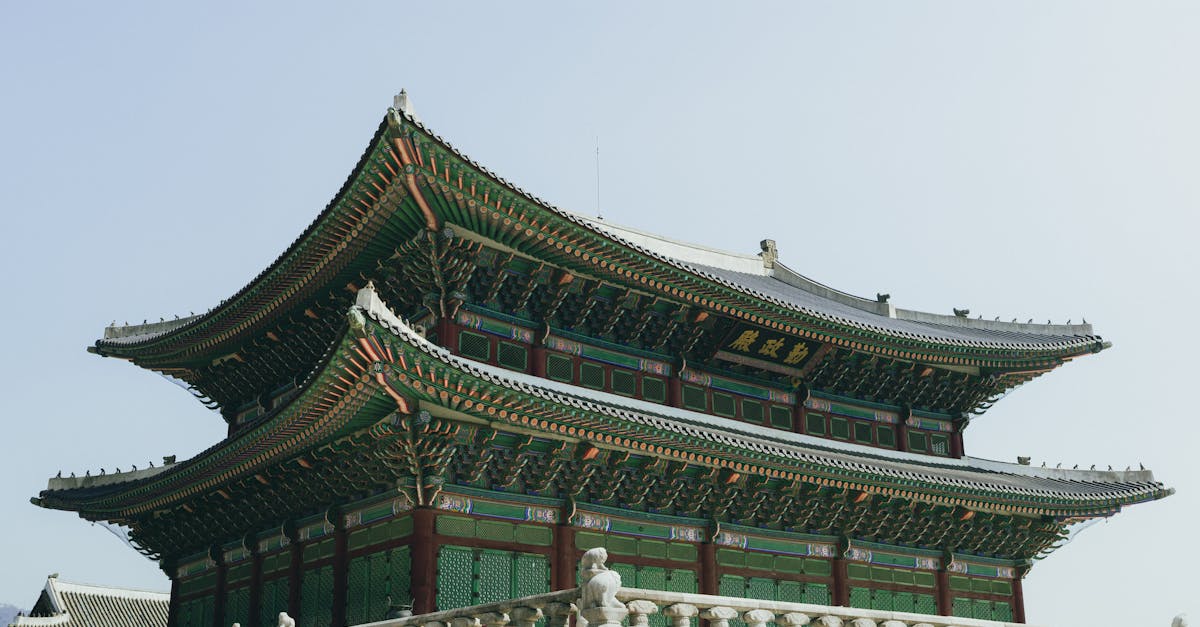
The best time to visit Seoul largely depends on your preferences for weather and crowd levels. Spring (March to May) is one of the most popular times to explore the city, with cherry blossoms blooming and mild temperatures ranging from 50°F to 70°F. This season attracts many tourists, so expect larger crowds, especially during the cherry blossom festival in early April.
Summer (June to August) can be hot and humid, with temperatures often exceeding 85°F. While this is a vibrant time in the city, it’s also the rainy season, leading to occasional downpours. If you’re willing to brave the heat, you’ll find fewer tourists and potentially lower prices.
Autumn (September to November) is another fantastic time to visit, with crisp air and stunning fall foliage. Temperatures range from 50°F to 70°F, and the crowds start to thin out after the summer months. Winter (December to February) can be quite cold, with temperatures dipping to around 20°F to 40°F. However, this season offers unique experiences like ice skating and festive holiday markets, making it a magical time to visit for those who enjoy winter activities.
Where to Stay in Seoul#
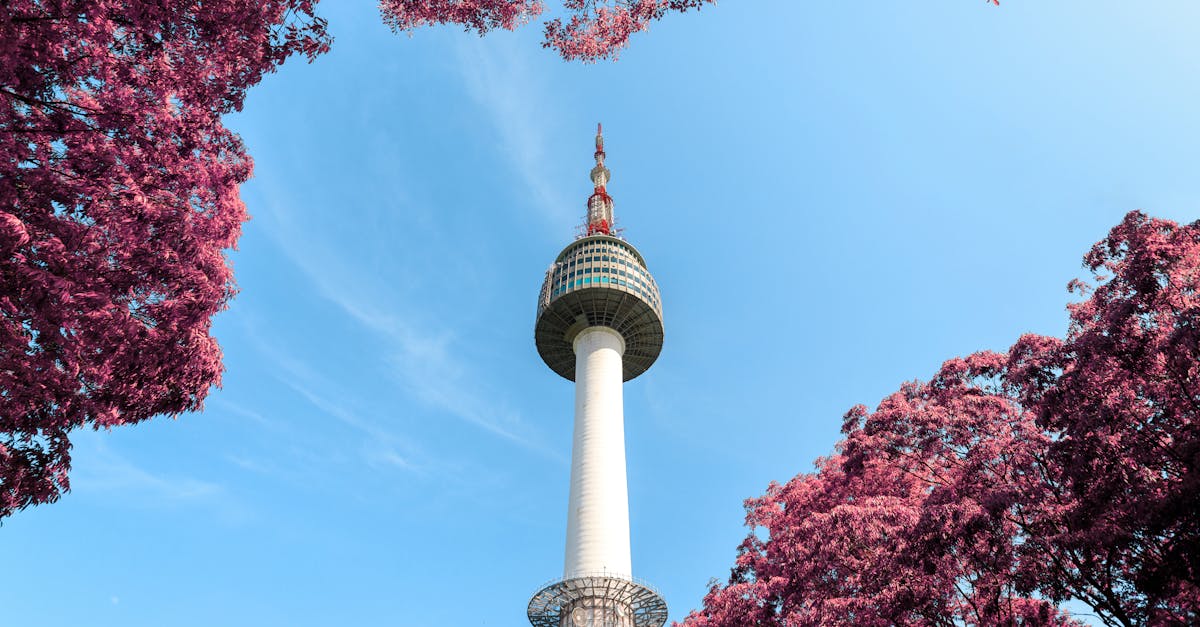
When it comes to accommodations in Seoul, there are options for every budget. Here are some recommendations based on neighborhoods:
Budget: Myeongdong and Hongdae
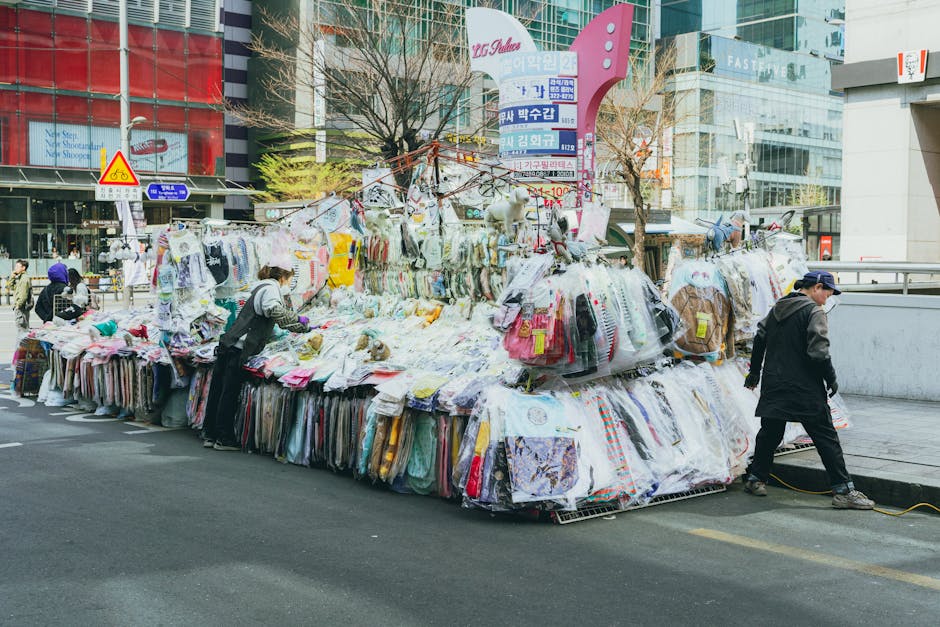
Myeongdong is a bustling shopping district known for its street food and vibrant atmosphere. Budget hotels and guesthouses are plentiful here, making it a convenient base for exploring the city. Alternatively, Hongdae is famous for its youthful energy and artsy vibe, offering numerous hostels and affordable lodgings.
Mid-Range: Insadong and Itaewon
Insadong is a cultural hotspot that features traditional tea houses and art galleries, perfect for travelers seeking a more local experience. The mid-range hotels here provide comfort and charm. Itaewon, known for its international flair, offers a variety of mid-range accommodations that cater to diverse tastes, along with a lively nightlife scene.
Luxury: Gangnam and Dongdaemun
For those looking to splurge, Gangnam is the place to be, with upscale hotels and high-end shopping. The area is also known for its trendy cafes and fine dining options. Dongdaemun, on the other hand, is home to luxury hotels near the famous shopping complex and offers easy access to cultural attractions.
Top Things to Do in Seoul#
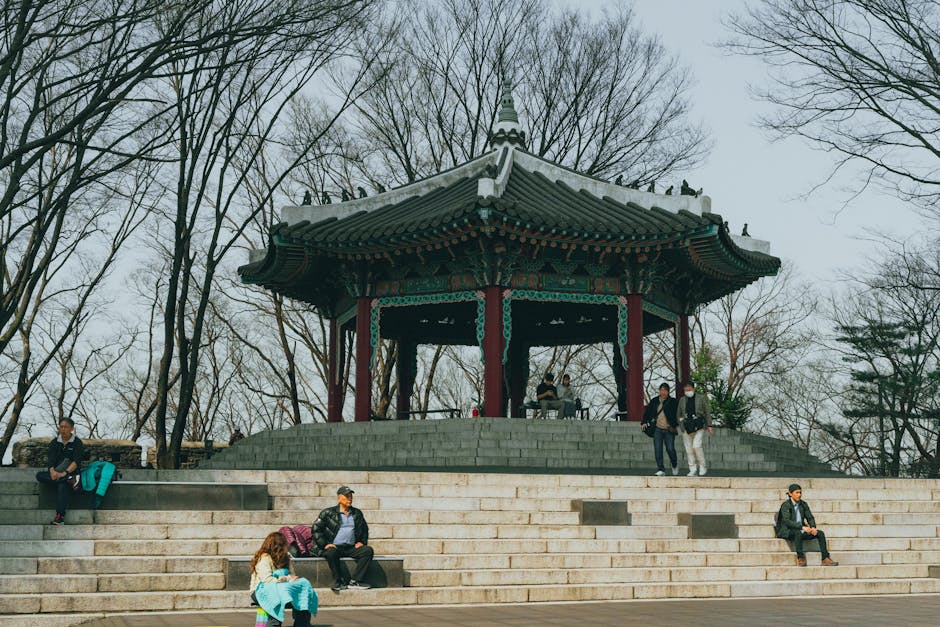
Gyeongbokgung Palace
This iconic palace is a must-visit for history buffs. Built in the 14th century, it offers a glimpse into Korea’s royal past. Don’t miss the changing of the guard ceremony!Bukchon Hanok Village
Wander through this charming neighborhood filled with traditional hanoks (Korean houses). It’s a great spot for photography and experiencing authentic Korean culture.N Seoul Tower
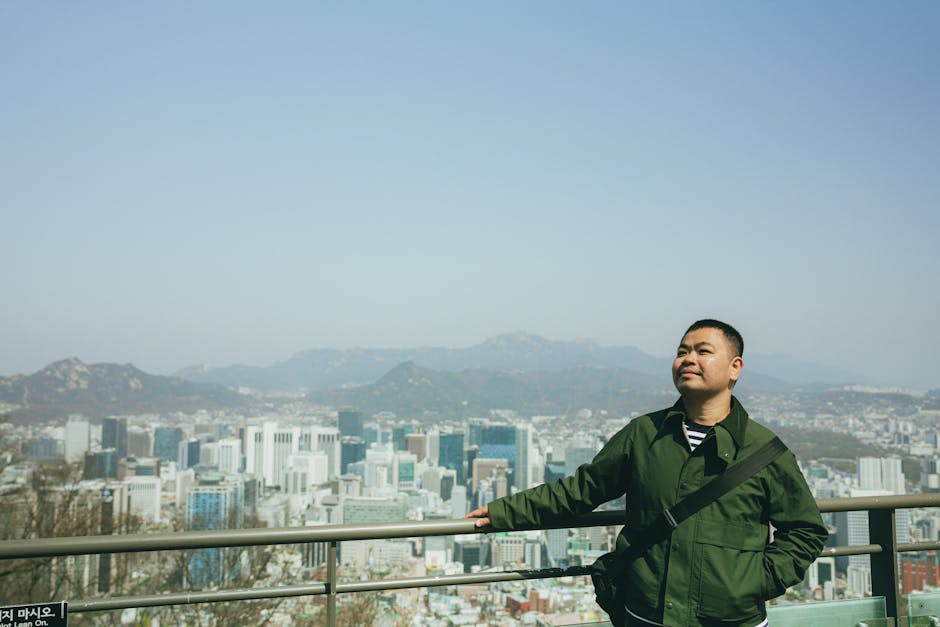
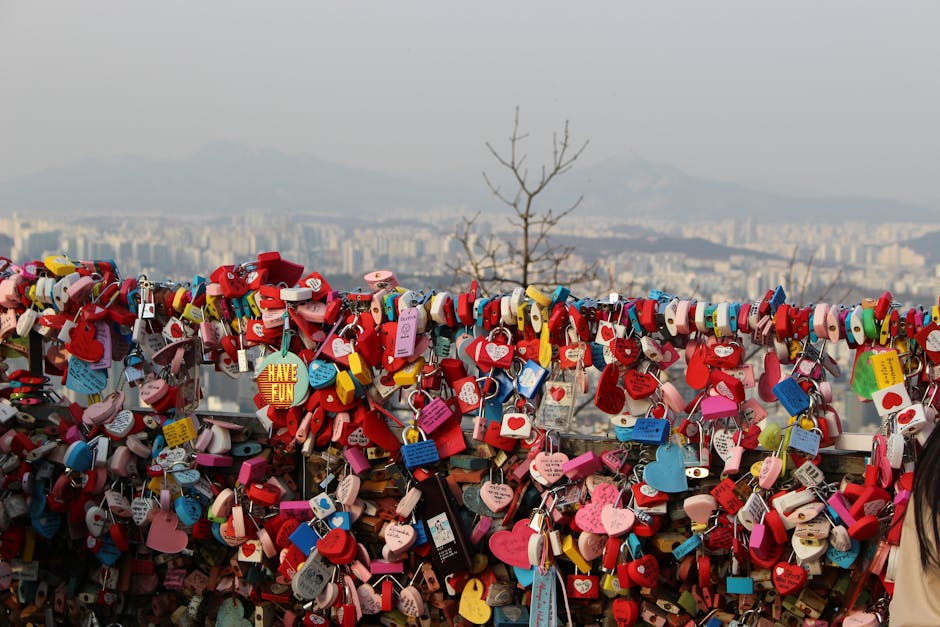
For stunning panoramic views of the city, head to N Seoul Tower. Take the cable car up and enjoy the view, especially during sunset.Insadong
Explore this cultural district known for its traditional crafts, art galleries, and tea houses. It’s the perfect place to buy souvenirs and experience local culture.Hongdae
Famous for its youthful atmosphere, Hongdae is a vibrant area filled with street performances, quirky shops, and lively nightlife. It’s a great spot for grabbing a drink or enjoying live music.Dongdaemun Design Plaza (DDP)
This architectural marvel is a hub for design and fashion. The futuristic structure hosts exhibitions and events, making it a great spot for art enthusiasts.Gwangjang Market
Dive into Seoul’s culinary scene at Gwangjang Market. Here, you can sample traditional dishes like bindaetteok (mung bean pancakes) and bibimbap.Cheonggyecheon Stream
Stroll along this beautifully restored stream that runs through the heart of the city. It’s a tranquil escape from the urban hustle and bustle.Lotte World Tower
Visit the tallest building in South Korea for breathtaking views and an array of shopping and dining options. The observation deck is not to be missed!Hangang Park
Enjoy outdoor activities along the Han River at Hangang Park. Rent a bike, have a picnic, or simply relax and take in the scenery.
Food and Dining Guide#
Seoul is a food lover’s paradise, offering a rich tapestry of flavors and experiences. Street food is an essential part of the culinary scene, with stalls offering delicious bites at affordable prices. A few must-try dishes include:
- Kimchi: This fermented vegetable dish is a staple in Korean cuisine and is often served with every meal.
- Bibimbap: A hearty rice bowl topped with assorted vegetables, meat, and a fried egg, bibimbap is both filling and delicious.
- Tteokbokki: Spicy rice cakes cooked in a sweet and spicy sauce, this street food favorite is a must-try.
- Bulgogi: Marinated beef grilled to perfection, bulgogi is a popular dish that showcases the flavors of Korean barbecue.
- Bingsu: For dessert, don’t miss bingsu, a refreshing shaved ice dessert topped with fruits, condensed milk, and sweet red beans.
For street food, head to popular markets like Myeongdong or Gwangjang Market. If you prefer dining in restaurants, look for local eateries in areas like Insadong or Hongdae, where you can enjoy authentic Korean meals in a cozy setting.
Getting Around Seoul#
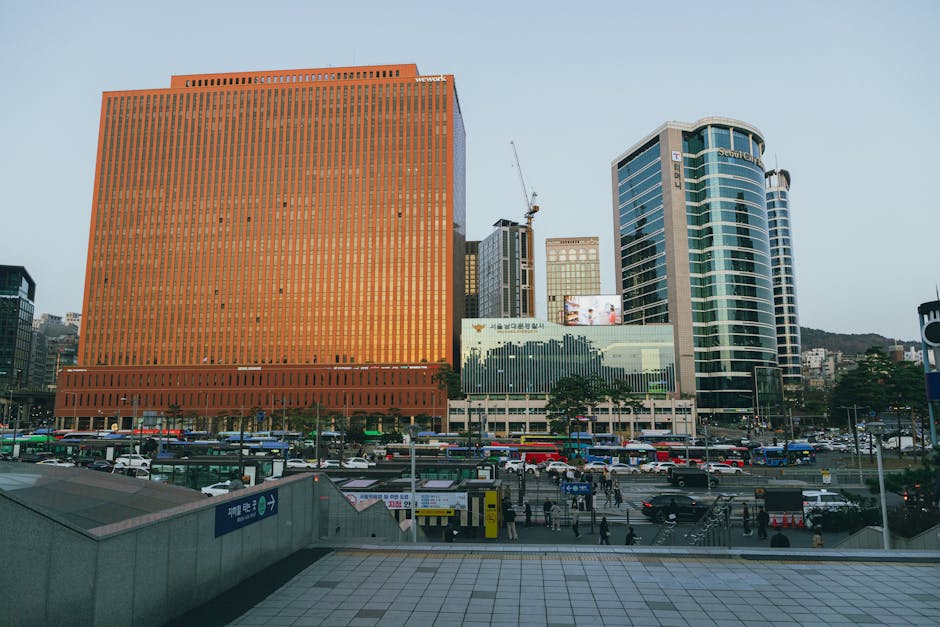
Navigating Seoul is relatively easy thanks to its efficient public transportation system. The subway is the best way to get around, with extensive coverage and English signage. A rechargeable T-money card can be purchased at convenience stores and used for both subway and bus rides, making travel convenient and affordable.
Taxis are also available and reasonably priced compared to those in the U.S., but it’s advisable to have your destination written in Korean to ensure effective communication with the driver. Walking is a fantastic way to explore neighborhoods, particularly in areas like Insadong and Hongdae, where you can soak in the local atmosphere.
While renting a car is an option, it’s not typically recommended due to heavy traffic and limited parking. Moreover, many attractions are easily accessible via public transit.
Budget Breakdown#
Understanding the cost of your trip to Seoul can help you plan effectively. Here’s a daily budget estimate for different travel styles:
Budget Travelers: Expect to spend around $50-70 per day. This includes staying in budget accommodations, eating street food, using public transit, and visiting free or low-cost attractions.
Mid-Range Travelers: A budget of $100-150 per day is reasonable. This allows for comfortable accommodations, dining in mid-range restaurants, and visiting a mix of paid and free attractions.
Luxury Travelers: For those looking to indulge, a budget of $250+ per day will cover upscale accommodations, fine dining, private transport, and premium experiences.
These estimates can vary based on personal preferences and travel style, but they provide a good framework for planning your Seoul adventure.
Travel Tips for Seoul#
Safety: Seoul is generally very safe for travelers, with low crime rates. However, like any big city, stay aware of your surroundings, especially in crowded areas.
Tipping: Tipping is not customary in South Korea, and service charges are typically included. However, rounding up your bill is appreciated in restaurants.
Language: While many Koreans understand basic English, learning a few key phrases in Korean can enhance your experience and help you connect with locals.
SIM Cards: Consider purchasing a local SIM card or portable Wi-Fi device at the airport for easy internet access throughout your trip.
Scams to Avoid: Be cautious of overly aggressive street vendors or individuals offering unsolicited help. Stick to established businesses and always confirm prices before purchasing.
Cash vs. Card: While credit cards are widely accepted, carrying some cash is advisable for street food and small shops, especially in markets.
Cultural Etiquette: Be respectful of local customs, such as bowing when greeting someone and removing your shoes when entering homes or certain establishments.
Whether you’re wandering through ancient palaces or savoring delicious street food, Seoul offers an unforgettable experience that won’t strain your wallet. So pack your bags and get ready to explore this vibrant city on a budget! If you’re also considering a trip to Kuala Lumpur, Malaysia or Kathmandu, Nepal , check out our guides for more budget-friendly travel tips.