📌 Disclaimer
Prices, schedules, tour details, flight routes, visa requirements, and all other information on this page are based on data at the time of writing. Fares, availability, and policies may change. Please verify current details on the official website before booking.
Photo by Thuan Pham on Pexels
Why Visit Paris ?#
Paris, the City of Light, is a destination that captures the hearts of millions each year. With its rich history, stunning architecture, and vibrant culture, Paris offers a unique blend of the old and the new. Strolling along the Seine River, you’ll find yourself enchanted by the iconic Eiffel Tower, the majestic Notre-Dame Cathedral, and the artistic treasures housed in the Louvre. Each street, café, and park tells a story, inviting visitors to immerse themselves in the Parisian way of life.
What sets Paris apart is its unparalleled charm and the way it inspires creativity. From the bohemian vibe of Montmartre, where artists like Picasso and Dali once roamed, to the chic boutiques of Le Marais, the city is a canvas for art and fashion. Paris is not just a destination; it’s an experience that engages all your senses, from the aroma of freshly baked baguettes to the sound of street musicians playing soulful melodies. Whether you’re a history buff, a foodie, or an art lover, Paris has something special waiting for you.
Best Time to Visit Paris#
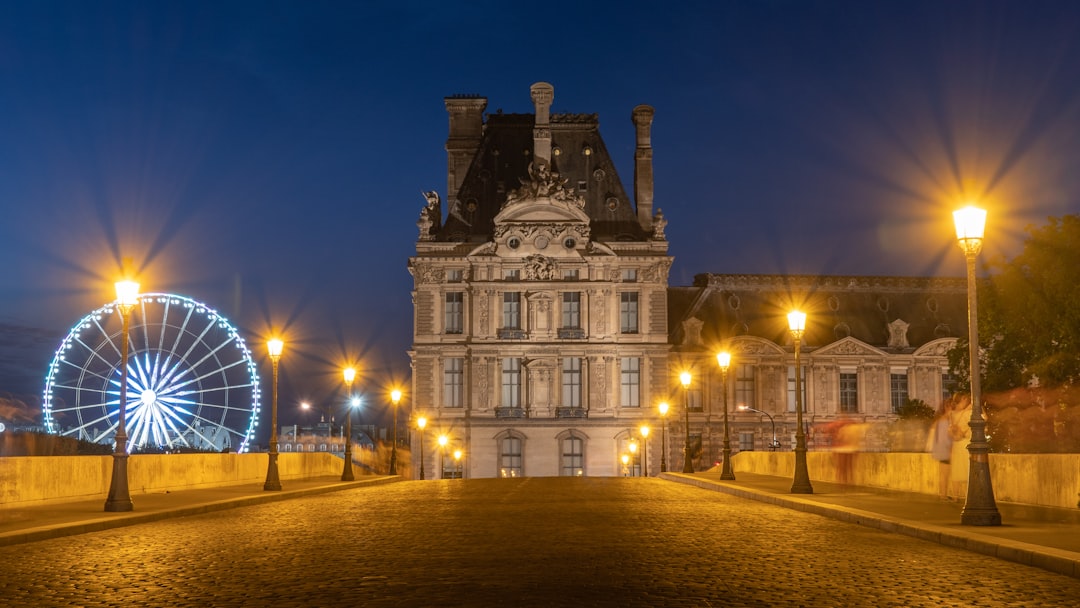
The best time to visit Paris largely depends on your preferences for weather, crowds, and pricing. Here’s a seasonal breakdown to help you plan:
Spring (March to May): Spring is one of the most beautiful times to visit Paris. The city comes alive with blooming flowers in gardens like Jardin des Tuileries and Parc des Buttes-Chaumont. Temperatures range from 50°F to 70°F, making it pleasant for outdoor activities. However, this is also peak tourist season, especially around Easter, so expect larger crowds and higher prices.
Summer (June to August): Summer in Paris can be warm, with temperatures often reaching the mid-80s°F. This is the peak tourist season, where visitors flock to the city for its festivals, outdoor events, and long daylight hours. While the atmosphere is vibrant, you’ll encounter larger crowds and higher accommodation costs. If you don’t mind the hustle and bustle, summer is a lively time to experience the city.
Fall (September to November): Fall is another excellent time to visit. The weather is mild, with temperatures averaging in the 60s°F, and the summer crowds begin to thin out. The fall foliage adds a beautiful backdrop to the city, particularly in parks and gardens. Prices for accommodations and flights tend to drop after September, making it a more budget-friendly option.
Winter (December to February): Winter in Paris is cold, with temperatures averaging between 30°F and 50°F. However, the city is beautifully decorated for the holidays, and you can enjoy festive markets and seasonal treats. If you’re looking for fewer crowds and lower prices, this is a great time to visit, but be prepared for chilly weather.
Where to Stay in Paris#
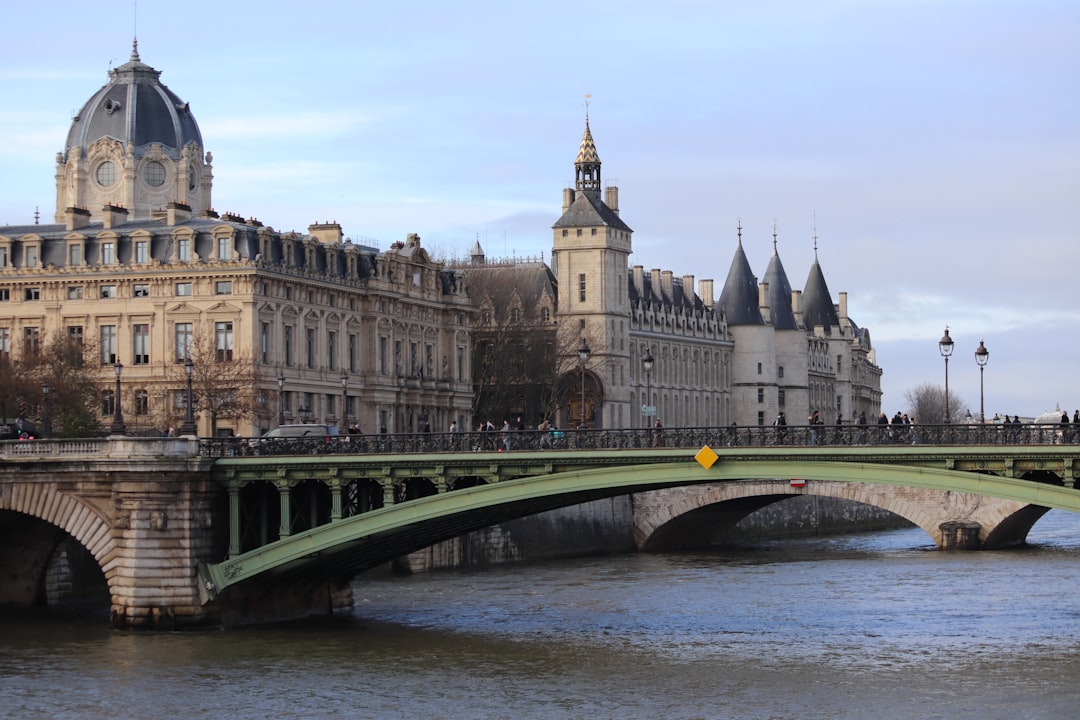
Finding the right neighborhood in Paris can enhance your travel experience. Here are some recommendations across different budget tiers:
Budget: For budget travelers, neighborhoods like Montmartre and Belleville offer affordable accommodations without sacrificing charm. Montmartre is famous for its artistic heritage and bohemian vibes, while Belleville has a multicultural atmosphere with street art and local eateries.
Mid-Range: The Latin Quarter is a fantastic mid-range option, known for its vibrant student life and historic sites. You’ll find cozy cafés, bookshops, and easy access to attractions like the Panthéon and the Sorbonne. Another great choice is the Marais district, which combines trendy boutiques with historic architecture.
Luxury: If you’re looking to indulge, the 7th arrondissement, home to the Eiffel Tower, offers luxurious hotels and stunning views. The Saint-Germain-des-Prés area is another upscale choice, known for its elegant streets, high-end shops, and art galleries. Staying in these neighborhoods puts you right in the heart of Parisian elegance.
Top Things to Do in Paris#
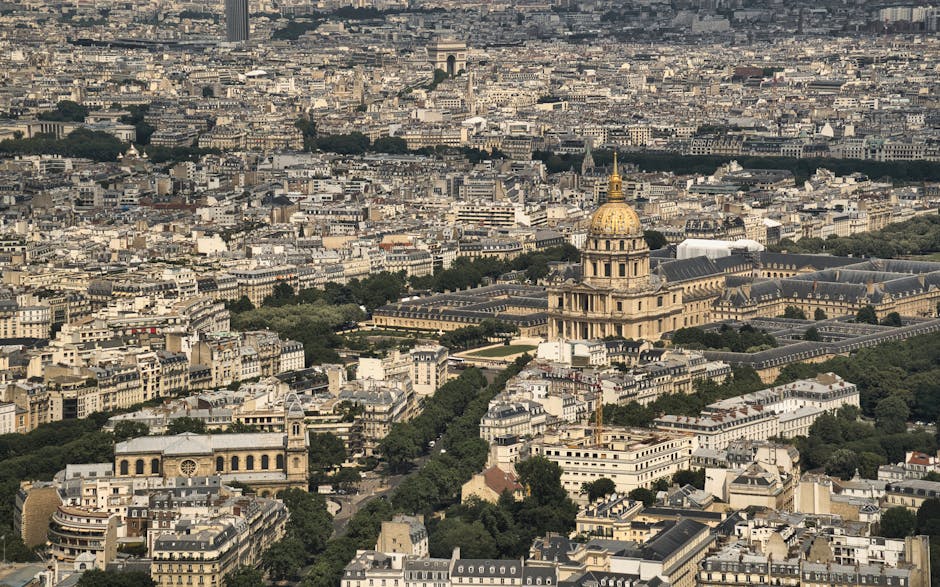
Eiffel Tower: No trip to Paris is complete without a visit to the Eiffel Tower. Whether you choose to ascend for panoramic views or admire it from the ground, this iconic landmark is a must-see.
Louvre Museum: Home to thousands of works of art, including the Mona Lisa, the Louvre is the world’s largest art museum. Plan your visit to explore its vast collection and stunning architecture.
Notre-Dame Cathedral: While restoration work is ongoing, the exterior of this Gothic masterpiece remains a sight to behold. Visit nearby Île de la Cité for a picturesque stroll along the Seine.
Montmartre: Explore the charming streets of Montmartre, known for its artistic history and the stunning Basilica of Sacré-Cœur. Don’t forget to stop by the local cafés for a taste of Parisian life.
Champs-Élysées and Arc de Triomphe: Stroll down the famous Avenue des Champs-Élysées, lined with shops and cafés, leading to the iconic Arc de Triomphe. Climb to the top for a stunning view of the city.
Sainte-Chapelle: This hidden gem features breathtaking stained glass windows that depict biblical scenes. It’s a short walk from Notre-Dame and offers a peaceful escape from the crowds.
Seine River Cruise: Experience Paris from a different perspective with a scenic boat cruise along the Seine. It’s a relaxing way to see major landmarks and enjoy the city’s beauty.
Palace of Versailles: A short train ride from the city, the opulent Palace of Versailles and its gardens are worth a day trip. Explore the grandeur of royal life and the stunning grounds.
Le Marais: This trendy neighborhood is perfect for shopping, dining, and exploring art galleries. Don’t miss the historic Place des Vosges, one of the oldest squares in Paris.
Luxembourg Gardens: Take a break from sightseeing and relax in the beautiful Luxembourg Gardens. Enjoy the manicured lawns, fountains, and statues that make this park a favorite among locals.
Food and Dining Guide#

Paris is a culinary paradise, offering a diverse range of dining experiences. Here are some local cuisine highlights and must-try dishes:
Croissant: Start your day with a flaky, buttery croissant from a local bakery. It’s a quintessential Parisian breakfast staple.
Escargots de Bourgogne: For the adventurous eater, trying snails cooked in garlic butter is a must. This delicacy is often served as an appetizer.
Coq au Vin: This traditional French dish features chicken braised with wine, mushrooms, and lardons. Enjoy it at a cozy bistro for an authentic experience.
Ratatouille: A vegetable medley that’s not only delicious but also a symbol of Provençal cuisine, ratatouille is a great choice for vegetarians.
Crêpes: Whether sweet or savory, crêpes are a beloved street food in Paris. Try a Nutella-filled crêpe for dessert or a ham and cheese crêpe for lunch.
When it comes to dining, Paris offers a range of options. For a more casual experience, head to street food vendors or local markets. If you’re looking for a sit-down meal, consider dining at a traditional bistro or a Michelin-starred restaurant for a special occasion.
Getting Around Paris#
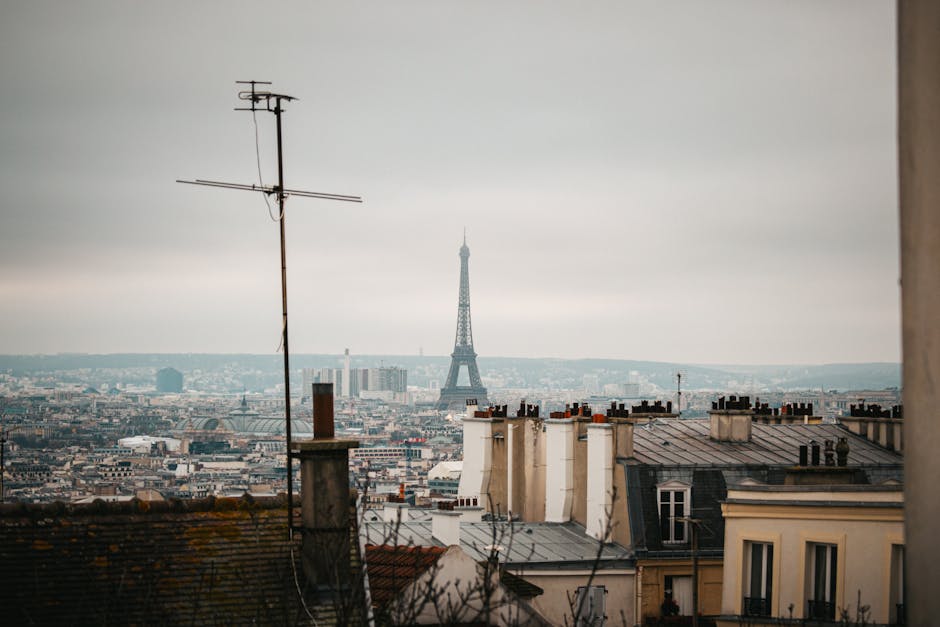
Navigating Paris is relatively easy, thanks to its efficient public transportation system. The Paris Métro is a convenient way to get around, with extensive coverage and frequent service. Consider purchasing a Paris Visite pass for unlimited travel on the Métro, buses, and trams.
Taxis and rideshare services are also available, but they can be more expensive. For a more local experience, walking or biking through the city is highly recommended. Paris is a pedestrian-friendly city, and many attractions are within walking distance of one another.
Renting a car is generally not advisable due to heavy traffic and limited parking. Instead, embrace the charm of exploring the city on foot or by public transport.
Budget Breakdown#
Understanding your budget is essential for a successful trip to Paris. Here’s a rough estimate of daily expenses:
Budget Travelers: Expect to spend around $70-100 per day. This includes staying in hostels or budget hotels, eating at casual cafés, using public transport, and enjoying free attractions like parks and markets.
Mid-Range Travelers: A daily budget of $150-250 is typical. This allows for comfortable accommodations, dining at mid-range restaurants, and visiting paid attractions.
Luxury Travelers: If you’re looking for a lavish experience, plan for $300 and up per day. This budget accommodates upscale hotels, fine dining, and private tours.
Travel Tips for Paris#
Safety: Paris is generally safe, but be mindful of pickpockets, especially in crowded areas and public transport. Keep your belongings secure.
Tipping: Service is usually included in your bill, but rounding up or leaving small change is appreciated in restaurants and cafés.
Language: While many Parisians speak English, learning a few basic French phrases can go a long way in enhancing your experience. A simple “bonjour” (hello) can earn you goodwill.
SIM Cards: Consider purchasing a local SIM card for your phone to avoid international roaming charges. This can help you navigate the city and stay connected.
Scams to Avoid: Be cautious of people asking for donations or offering “free” services, as these can often lead to scams. If it feels too good to be true, it probably is.
Museum Pass: If you plan to visit multiple attractions, consider getting a Paris Museum Pass, which offers entry to many sites and can save you time and money.
Plan Ahead: Popular attractions can have long lines, especially during peak seasons. Consider booking tickets in advance to save time.
If you’re also considering a trip to Copenhagen or Venice , check out our guides for more travel tips and insights.
Paris is a city that promises unforgettable moments and lasting memories. With this comprehensive guide, you’re well on your way to experiencing the magic of Paris to its fullest.