📌 Disclaimer
Prices, schedules, tour details, flight routes, visa requirements, and all other information on this page are based on data at the time of writing. Fares, availability, and policies may change. Please verify current details on the official website before booking.
Why Visit London ?#
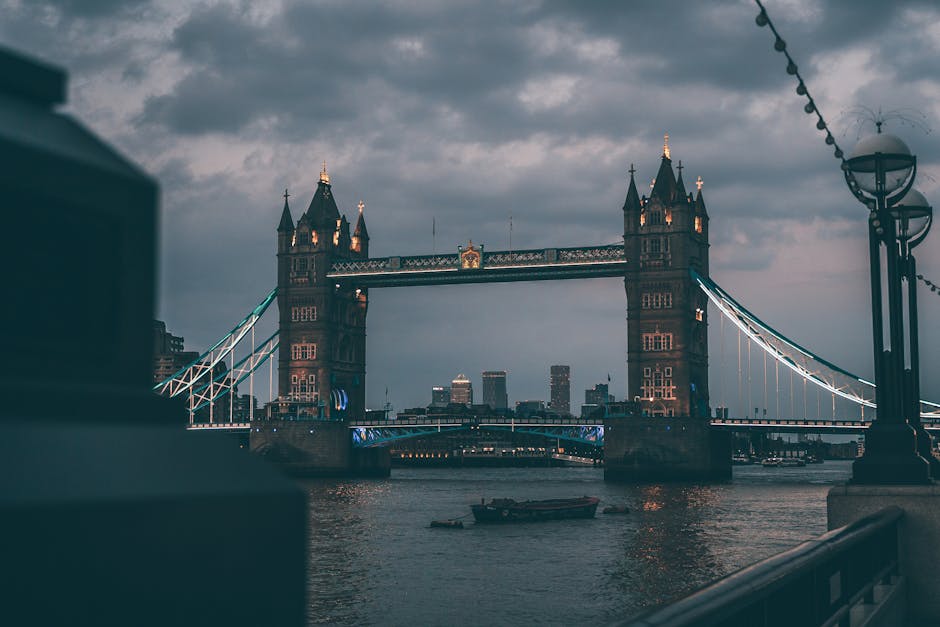
London, the bustling capital of the United Kingdom, is a city that effortlessly blends history and modernity. With its rich tapestry of culture, art, and architecture, London is a destination that captivates millions of visitors each year. The city’s iconic landmarks, such as the Tower of London and Buckingham Palace, stand as testaments to its storied past, while contemporary attractions like the Shard and the Tate Modern highlight its position as a global hub of innovation and creativity.
Beyond its famous sights, London is also a melting pot of diverse cultures, offering travelers a unique opportunity to experience a wide array of traditions, cuisines, and lifestyles. Strolling through its neighborhoods, from the chic streets of Notting Hill to the vibrant markets of Camden, you’ll find a city that is constantly evolving yet deeply rooted in its heritage. Whether you’re a history buff, an art lover, or a foodie, London has something special for everyone.
Best Time to Visit London#
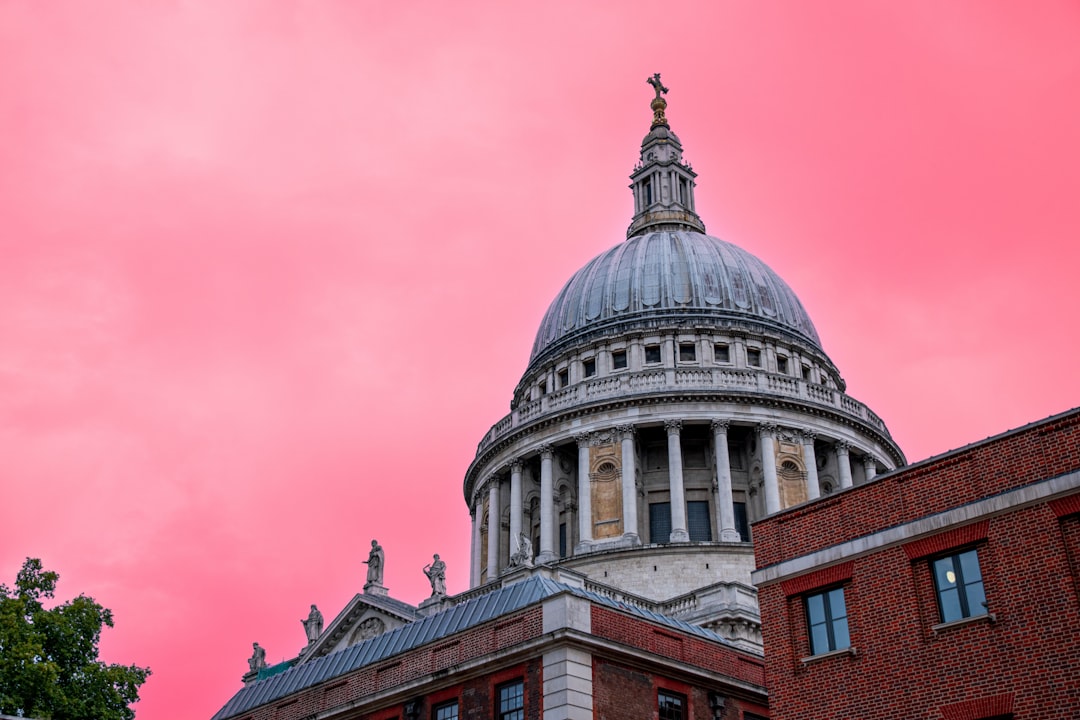
London experiences a temperate maritime climate, leading to relatively mild weather year-round. The best time to visit largely depends on your preferences for weather, crowds, and pricing.
Spring (March to May): Spring is one of the most beautiful times to visit London, as the parks burst into bloom and outdoor events begin to take place. Temperatures range from the mid-40s to mid-60s°F, making it pleasant for sightseeing. Although crowds start to build, especially during Easter, you can often find better deals compared to the summer months.
Summer (June to August): Summer is peak tourist season in London, with warm temperatures averaging in the 70s°F. While you’ll find vibrant festivals and events, expect larger crowds and higher prices for accommodations. It’s advisable to book early if you plan to visit during this time.
Autumn (September to November): Autumn offers a beautiful display of colors, and the weather remains mild, with temperatures ranging from the mid-50s to mid-60s°F. As the summer crowds dissipate, you can enjoy lower prices and more availability in hotels and attractions.
Winter (December to February): Winter can be chilly, with temperatures often dipping into the 30s°F. However, London transforms into a festive wonderland during the holiday season, with Christmas markets and lights. If you’re looking to save money, winter is a great time for budget travelers, as prices drop significantly.
Where to Stay in London#
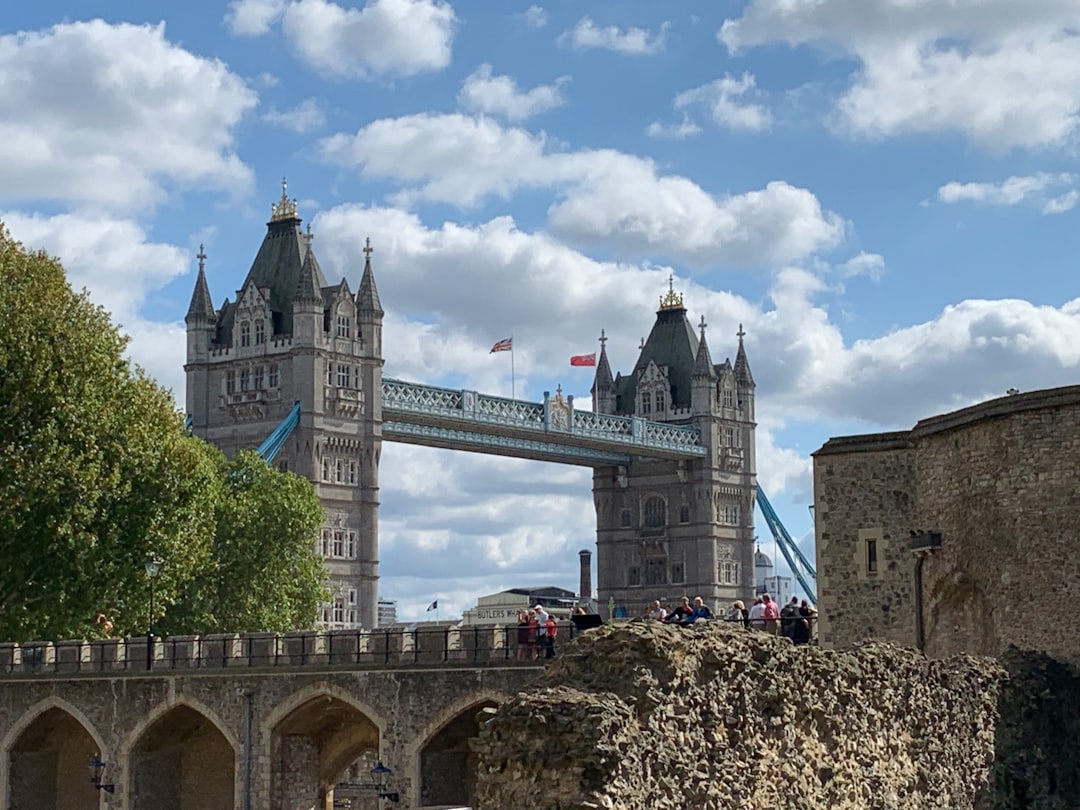
Finding the right neighborhood to stay in London can enhance your travel experience. Here are some recommendations across different budget tiers:
Budget: East London is known for its affordable accommodations and vibrant culture. Areas like Shoreditch and Hackney offer hostels and budget hotels, along with trendy cafes and street art.
Mid-Range: South Kensington is ideal for those seeking a balance between comfort and convenience. This area is close to major attractions like the Natural History Museum and offers a range of mid-range hotels, boutique stays, and easy access to public transport.
Luxury: For a taste of opulence, consider Mayfair. This prestigious neighborhood boasts luxury accommodations and fine dining options. Staying here places you within walking distance of Hyde Park and the West End theatres.
Local Experience: Brixton is a vibrant neighborhood known for its multicultural atmosphere. Here, you can find a mix of budget and mid-range accommodations, as well as an eclectic food scene and lively markets.
Top Things to Do in London#
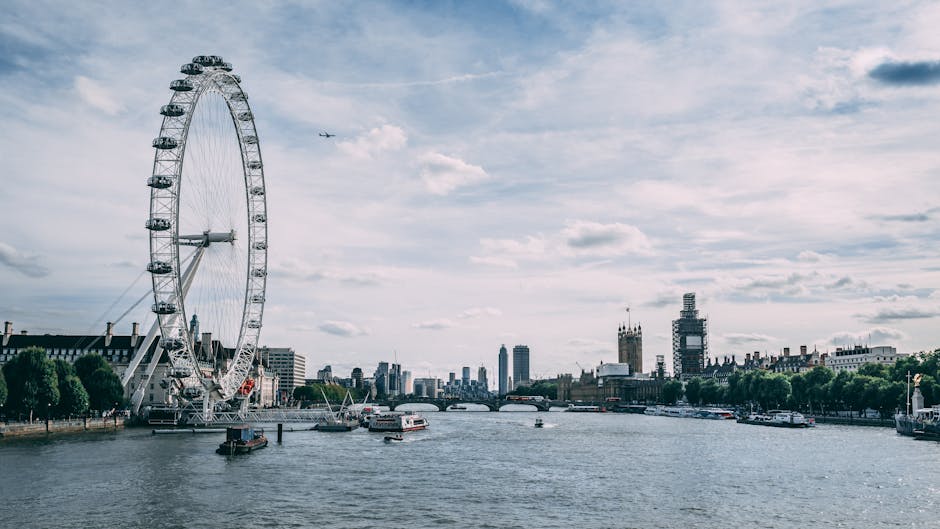
London is brimming with activities and attractions. Here are some must-see highlights:
The British Museum: Home to a vast collection of world art and artifacts, this museum is a treasure trove of history that you can explore for free.
The Tower of London: A historic castle and former royal palace, the Tower offers intriguing tales of its past, including the infamous Beefeaters and the Crown Jewels.
Buckingham Palace: Witness the Changing of the Guard ceremony at this iconic residence of the British monarch.
The West End: Experience world-class theatre productions in London’s vibrant theatre district, where you can catch everything from musicals to cutting-edge dramas.
Camden Market: Dive into the eclectic vibe of Camden with its bustling market, offering everything from vintage clothing to delicious street food.
The Shard: For stunning panoramic views of the city, head to the observation deck of The Shard, Western Europe’s tallest building.
Hyde Park: A perfect escape from the urban hustle, Hyde Park is ideal for a leisurely stroll, a picnic, or even boating on the Serpentine.
St. Paul’s Cathedral: Marvel at the stunning architecture and climb to the dome for breathtaking views over the city.
Borough Market: A food lover’s paradise, this market features a variety of artisanal food stalls and is a great spot for lunch.
Southbank Centre: This cultural hub offers an array of performances, exhibitions, and festivals along the Thames, showcasing everything from music to visual arts.
Food and Dining Guide#
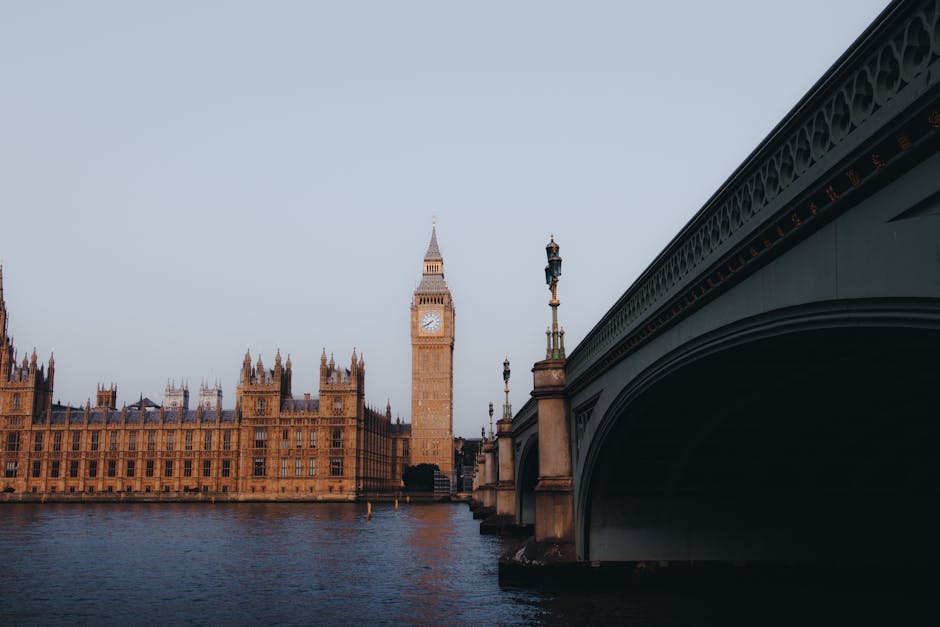
London’s culinary scene is a reflection of its diverse population. Here are some local cuisine highlights and must-try dishes:
Fish and Chips: A quintessential British dish, you can find excellent fish and chips at numerous pubs and eateries across the city.
Full English Breakfast: Start your day right with a traditional English breakfast, complete with eggs, bacon, sausages, baked beans, and toast.
Sunday Roast: If you’re in London on a Sunday, don’t miss the opportunity to enjoy a hearty Sunday roast, usually served with meat, Yorkshire pudding, and all the trimmings.
Pies: Sample classic British pies, such as meat pies or shepherd’s pie, at local pubs or bakeries.
Street Food: Explore London’s vibrant street food scene at markets like Borough Market or Camden Market, where you can taste dishes from around the world.
Dining in London can range from casual street food to high-end restaurants. While you can certainly indulge in fine dining, don’t overlook the joy of grabbing a quick bite from a food stall or enjoying a meal at a cozy pub.
Getting Around London#
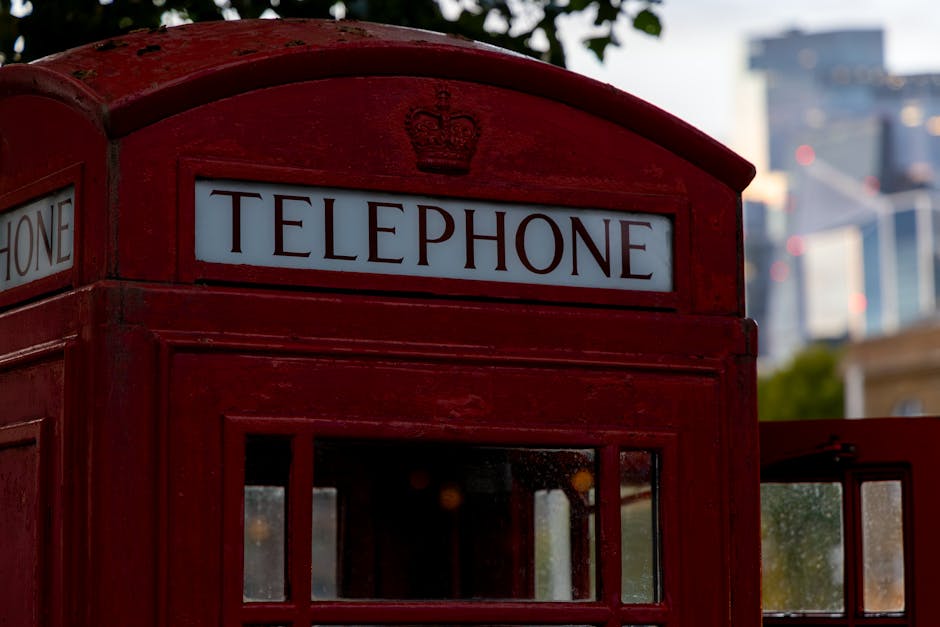
Navigating London is relatively easy thanks to its extensive public transport system. Here are your main options:
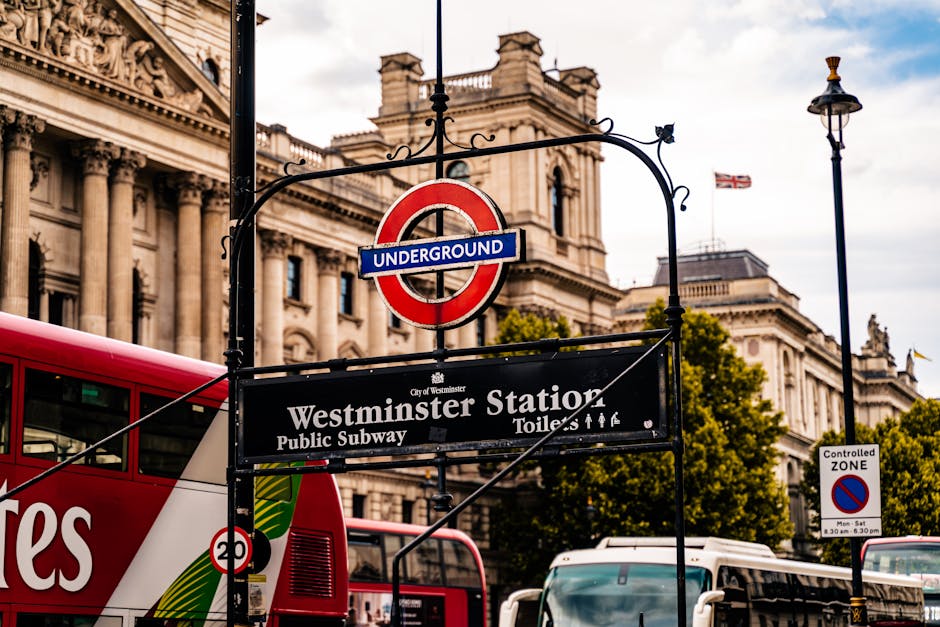
The Tube: The London Underground, known as the Tube, is the fastest way to get around. Make sure to get an Oyster card or use a contactless payment card for convenient travel.
Buses: London’s iconic red buses cover nearly every corner of the city and are a scenic way to travel. They also offer a cheaper alternative to the Tube.
Walking: Many of London’s attractions are within walking distance of one another, especially in central areas. Walking can be a delightful way to discover hidden gems.
Taxis and Ride-Sharing: Black cabs are available throughout the city, and ride-sharing services are also widely used. However, be prepared for higher costs during peak times.
Rental Cars: While renting a car is an option, it’s not recommended due to heavy traffic, congestion charges, and limited parking. Public transport is usually the best bet.
Budget Breakdown#
Understanding the cost of your trip can help you plan better. Here’s a general daily budget estimate for different types of travelers in USD:
Budget Traveler: Expect to spend around $70-100/day, including accommodation in hostels, meals from street vendors or budget cafes, public transport, and free attractions.
Mid-Range Traveler: A daily budget of $150-250/day is typical. This would cover a comfortable hotel, dining at mid-range restaurants, and entry to various attractions.
Luxury Traveler: For those seeking a premium experience, budget around $300-600/day. This includes upscale accommodations, fine dining, and exclusive tours or experiences.
Travel Tips for London#
Safety: London is generally safe, but as in any major city, stay aware of your surroundings, especially in crowded areas.
Tipping: A tip of around 10-15% is customary in restaurants if service is not included.
Language: While English is the primary language, you’ll find a mix of dialects and accents. Don’t hesitate to ask for clarification if you don’t understand something.
SIM Cards: Consider purchasing a local SIM card for your phone to avoid high roaming charges and to stay connected while exploring.
Scams: Be cautious of common scams targeting tourists, such as overly friendly strangers asking for money or selling fake tickets.
Public Transport Etiquette: Stand on the right side of escalators in the Tube to allow others to pass on the left, and be mindful of your belongings.
Cultural Sensitivity: Respect local customs and traditions, particularly when visiting religious sites or during public ceremonies.
With its rich history, diverse culture, and endless attractions, London promises an unforgettable adventure. Whether you’re wandering through its historic streets or indulging in its culinary delights, you’re sure to fall in love with this vibrant city. If you’re also considering a trip to Copenhagen, Denmark , check out our guide for more European travel inspiration!