📌 Disclaimer
Prices, schedules, tour details, flight routes, visa requirements, and all other information on this page are based on data at the time of writing. Fares, availability, and policies may change. Please verify current details on the official website before booking.
Why Visit Kathmandu?#
Kathmandu, the vibrant capital of Nepal, is a city that seamlessly blends ancient traditions with modern energy. Surrounded by the majestic Himalayas, it serves as a gateway for trekkers and adventure seekers heading to the iconic Everest Base Camp or the Annapurna Circuit. However, Kathmandu is more than just a launchpad for trekking; it is steeped in rich history, culture, and spirituality. Visitors are often captivated by its intricate temples, bustling markets, and the warm hospitality of its people.
One of the most remarkable aspects of Kathmandu is its diverse cultural tapestry. The city is home to various ethnic communities, each contributing to the unique character of the city. From the thrilling chaos of Thamel to the serene beauty of Boudhanath Stupa, Kathmandu offers a multitude of experiences that cater to every type of traveler. Whether you’re an adventure enthusiast, a history buff, or simply someone looking to immerse yourself in a new culture, Kathmandu has something special to offer.
Best Time to Visit Kathmandu#
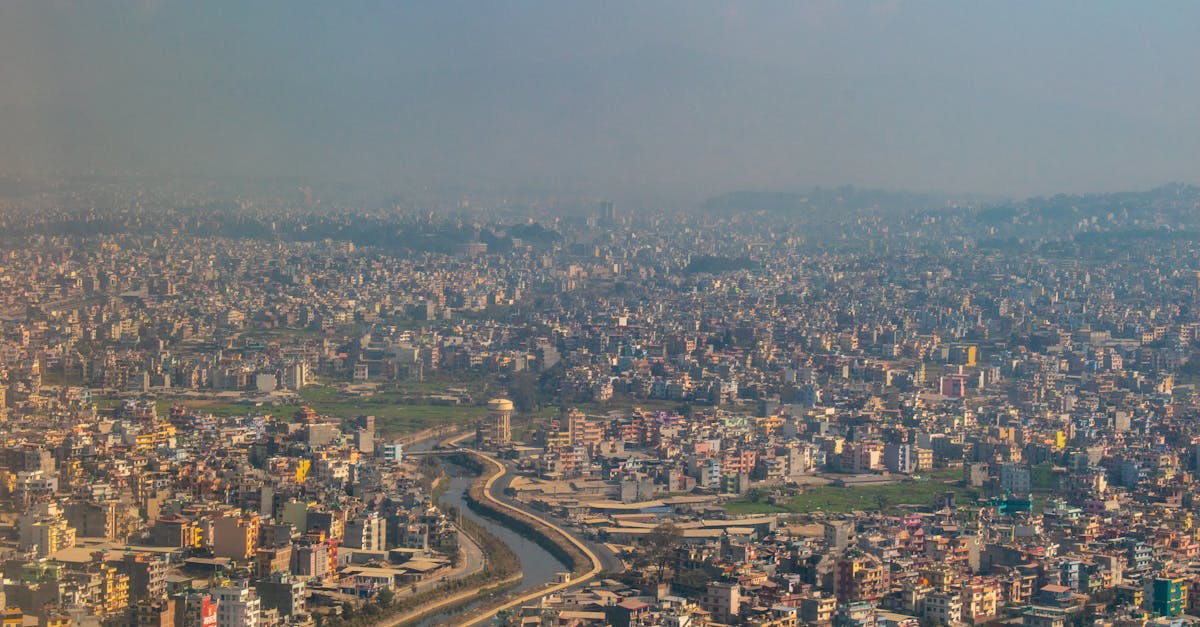
The best time to visit Kathmandu is during the dry seasons, which fall between September to November and March to May.
- September to November: This period marks the end of the monsoon season, bringing clear skies and pleasant temperatures. Expect daytime highs around 70-75°F (21-24°C) and cooler evenings. It’s also a popular time for trekking, so expect larger crowds and higher prices.
- December to February: While this time is cooler, with temperatures dropping to around 40-60°F (4-16°C), it’s less crowded, making it a good option for budget travelers. However, be prepared for occasional fog that can obscure mountain views.
- March to May: Spring brings warmer temperatures, with highs reaching up to 80°F (27°C). This is another peak season for trekking, particularly in April when the rhododendrons bloom. Prices may increase, and popular spots can become crowded.
- June to August: The monsoon season sweeps through the region, bringing heavy rains and humidity. While this can deter some tourists, it’s a quieter time to visit if you prefer fewer crowds and are okay with occasional downpours. Budget travelers may find lower prices during this season.
Where to Stay in Kathmandu#
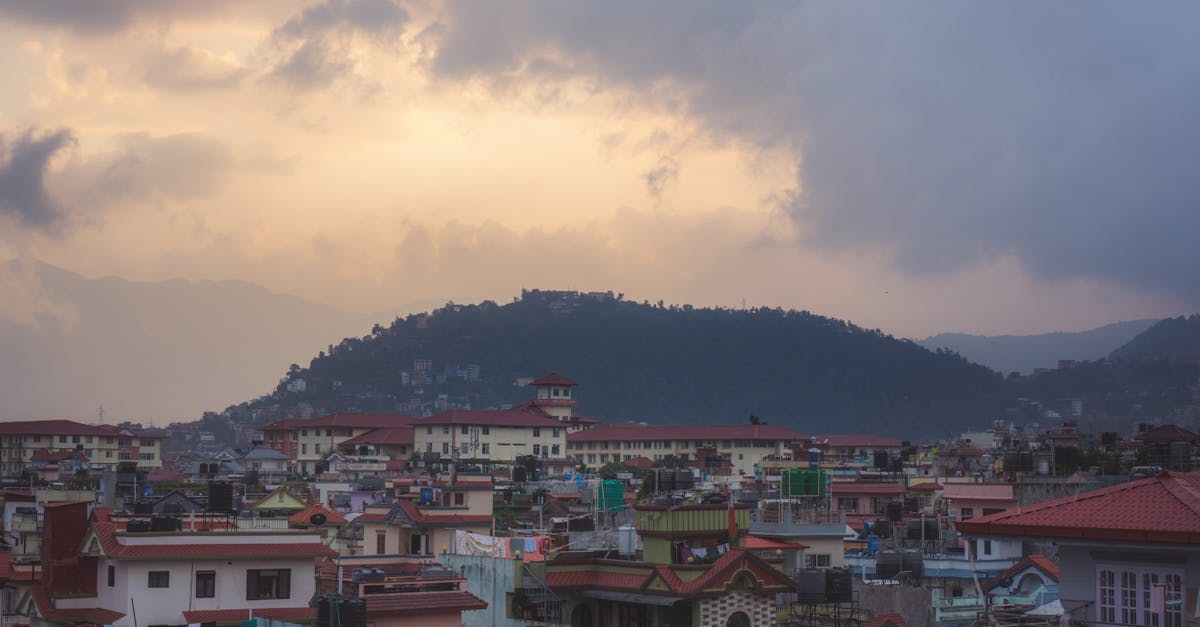
When it comes to accommodation, Kathmandu offers a variety of neighborhoods catering to different budgets and preferences.
- Thamel (Mid-Range to Luxury): Thamel is the bustling heart of Kathmandu, known for its vibrant nightlife, shops, and restaurants. It’s a great place for travelers seeking convenience and a lively atmosphere. You’ll find a range of accommodations, from boutique hotels to luxury options, all within walking distance of major attractions.
- Boudhanath (Budget to Mid-Range): This area is home to the famous Boudhanath Stupa, one of the largest stupas in the world. Staying here offers a more tranquil experience, with several guesthouses and budget hotels. The serene ambiance and local eateries make it a perfect spot for those interested in Buddhism and spirituality.
- Patan (Mid-Range to Luxury): Just a short drive from the center of Kathmandu, Patan offers a quieter atmosphere with stunning architecture and rich history. The neighborhood is less touristy, making it ideal for travelers who want to explore local life. You can find charming hotels and guesthouses that reflect the city’s artistic heritage.
- Kopan (Budget to Mid-Range): Located a bit further from the hustle and bustle, Kopan is known for its monastery and peaceful environment. It’s a great place for those looking to escape the chaos of the city while still being close enough to explore. Accommodations in this area range from budget hostels to mid-range guesthouses.
Top Things to Do in Kathmandu#
- Swayambhunath Stupa (Monkey Temple): Perched atop a hill, this ancient stupa offers panoramic views of the city. The climb is invigorating, and the site is filled with monkeys, colorful prayer flags, and spiritual energy.
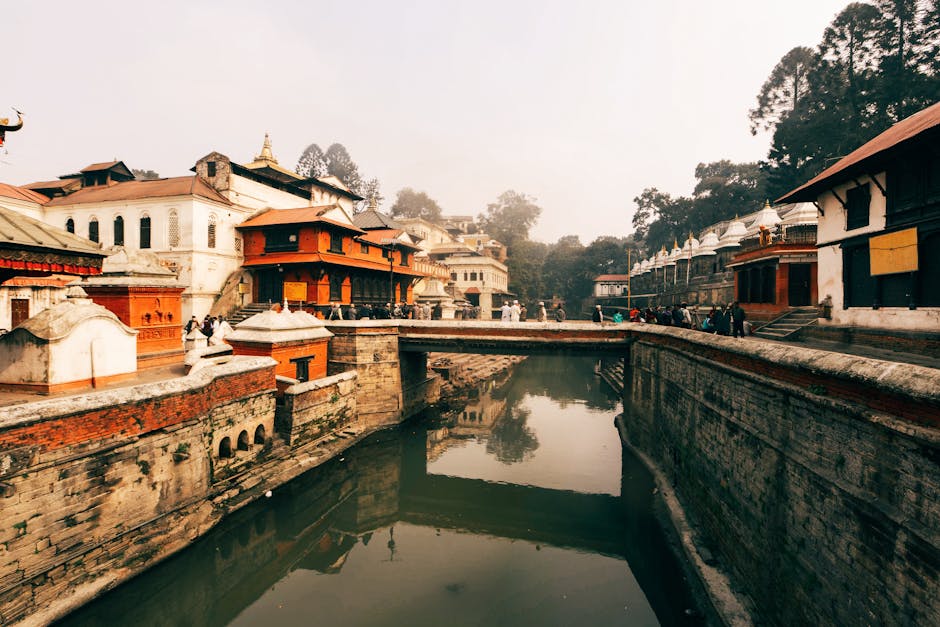
- Pashupatinath Temple: As one of the holiest Hindu temples, Pashupatinath is a must-visit for its stunning architecture and spiritual significance. Witnessing the cremation ceremonies along the Bagmati River is a profound experience.
- Boudhanath Stupa: This UNESCO World Heritage site is a focal point for Tibetan Buddhism in Kathmandu. The stupa’s massive mandala and surrounding monasteries create a peaceful atmosphere perfect for contemplation.
- Thamel: This lively neighborhood is filled with shops, cafes, and restaurants. It’s the perfect place to shop for trekking gear or enjoy a meal while soaking in the local culture.
- Durbar Square: A UNESCO World Heritage site, this historical square is home to stunning temples and palaces. Explore the intricate architecture and learn about the city’s royal history.
- Garden of Dreams: An oasis amidst the city’s chaos, this beautifully restored garden offers a tranquil escape. Enjoy a cup of tea in a serene setting, surrounded by lush greenery.
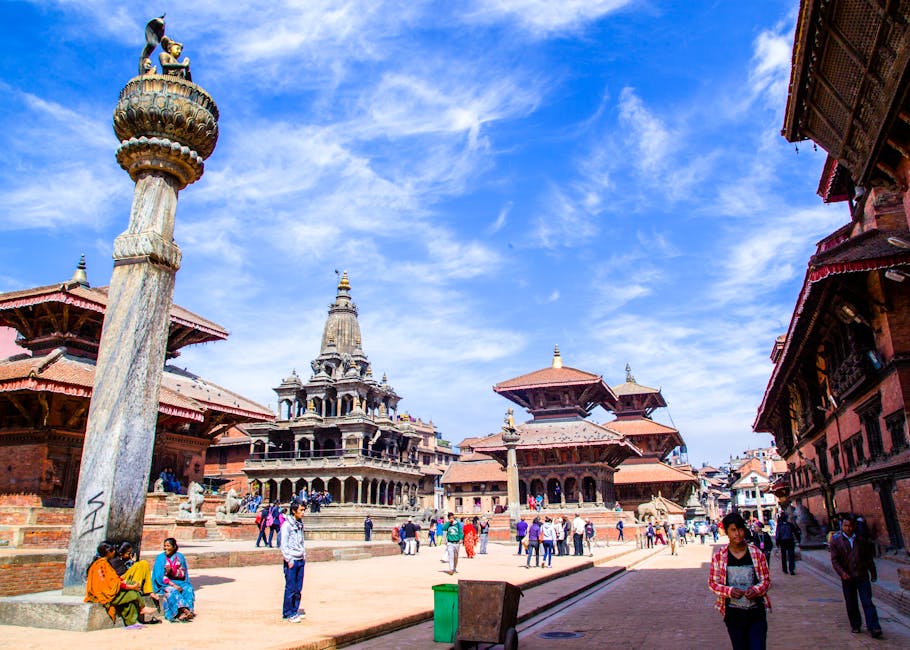
- Patan Durbar Square: Just a short distance from Kathmandu, this square boasts impressive temples and a rich cultural vibe. The Patan Museum here is a highlight, showcasing traditional Nepali art.
- Bhaktapur Durbar Square: A bit further afield, Bhaktapur is known for its well-preserved medieval architecture. Stroll through its narrow alleys and try traditional Newari cuisine in this charming town.
- Nagarkot Sunrise: For breathtaking views of the Himalayas, head to Nagarkot, a short drive from Kathmandu. The sunrise here is a bucket-list experience for many travelers.
- Cooking Class: Dive into Nepali culture with a cooking class. Learn how to prepare traditional dishes and enjoy the fruits of your labor in a local home setting.
Food and Dining Guide#
Nepalese cuisine is a delightful blend of flavors and influences, and Kathmandu is the perfect place to sample a variety of dishes.
- Dal Bhat: This traditional meal consists of lentil soup (dal) served with rice (bhat) and various accompaniments, including vegetables and pickles. It’s a staple food and a must-try for any visitor.
- Momo: These delicious dumplings are filled with either meat or vegetables and can be steamed or fried. They are a popular street food item and are often served with a spicy dipping sauce.
- Newari Cuisine: Explore the rich flavors of Newari food, especially in areas like Bhaktapur. Try dishes like Yomari (sweet dumplings) and various meat preparations that reflect the local culture.
- Sel Roti: This traditional rice-based doughnut is crispy on the outside and soft on the inside. It’s often enjoyed during festivals but can be found in local markets as a delightful snack.
- Chiya (Nepali Tea): Don’t miss out on tasting this sweet, spiced tea made with milk and black tea. It’s a favorite among locals and perfect for warming up after a day of sightseeing.
For dining, you can choose between street food stalls, local eateries, and more upscale restaurants. Street food is often the most authentic experience, but ensure you choose vendors with good hygiene practices.