📌 Disclaimer
Prices, schedules, tour details, flight routes, visa requirements, and all other information on this page are based on data at the time of writing. Fares, availability, and policies may change. Please verify current details on the official website before booking.
Why Visit Dubrovnik ?#
Dubrovnik , often referred to as the “Pearl of the Adriatic,” is a stunning coastal city that has captivated travelers for centuries. With its terracotta rooftops, ancient city walls, and crystal-clear waters, Dubrovnik is a visual feast that combines rich history with breathtaking natural beauty. The city is a UNESCO World Heritage Site and boasts a well-preserved medieval old town that transports visitors back in time. Walking along the famous Stradun, the main thoroughfare, you’ll find charming shops, vibrant street performances, and the warm hospitality of the locals.
Beyond its picturesque landscapes and historical significance, Dubrovnik is also a hub of culture and cuisine. The city hosts various festivals throughout the year, showcasing local music, art, and traditions. Whether you’re exploring the historic fortresses, lounging on the stunning beaches, or indulging in delicious local dishes, Dubrovnik offers a unique blend of experiences that cater to every type of traveler. If you’re also considering a trip to Venice, Italy , check out our guide for more Mediterranean adventures.
Best Time to Visit Dubrovnik#
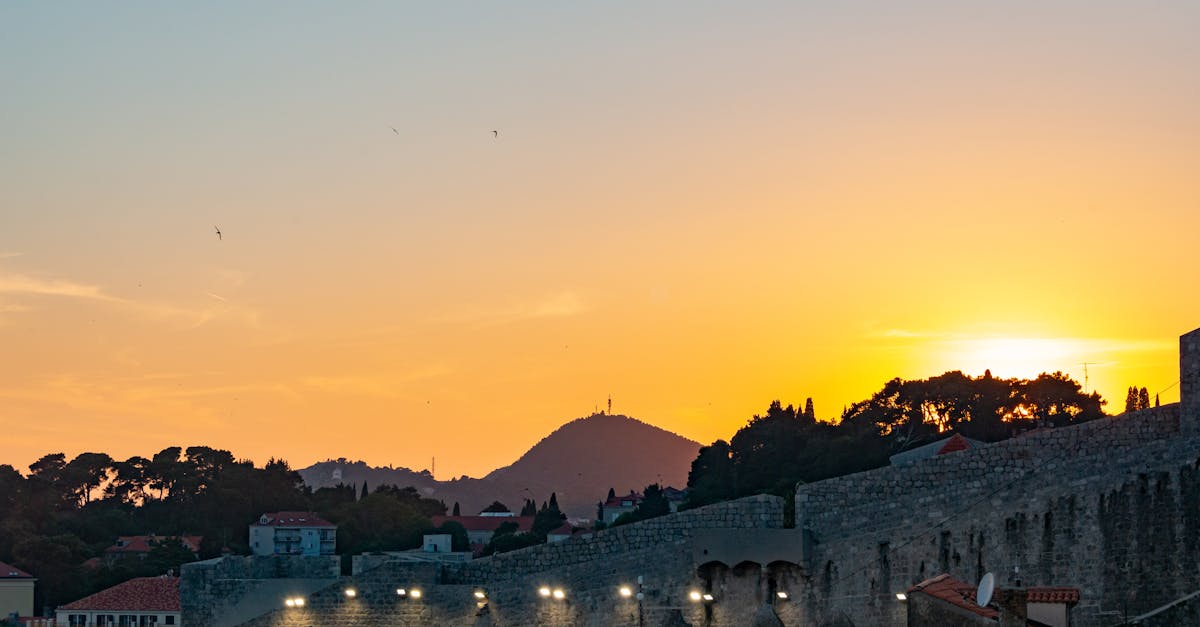
The ideal time to visit Dubrovnik largely depends on your preferences for weather, crowds, and pricing. Here’s a seasonal breakdown:
- Spring (March to May): Spring is a wonderful time to visit as the weather is mild, with temperatures averaging between 60°F to 75°F. The crowds are smaller compared to the summer months, and you can find better deals on accommodations. April and May are particularly nice as flowers bloom and outdoor attractions become more accessible.
- Summer (June to August): This is peak tourist season in Dubrovnik. Expect warm temperatures ranging from 75°F to 90°F and bustling crowds, especially in July and August. While the vibrant atmosphere is appealing, prices for accommodation and activities will be at their highest. If you enjoy a lively environment and numerous events, summer is an excellent choice.
- Fall (September to November): Early fall, especially September, is one of the best times to visit. The weather remains warm, averaging 70°F to 80°F, and the summer crowds start to thin out. Prices begin to drop in October, making it a more budget-friendly option while still enjoying pleasant weather. By late November, temperatures can dip into the 50s°F, and many attractions may begin to close for the winter.
- Winter (December to February): While winter in Dubrovnik can be chilly, with temperatures averaging 40°F to 60°F, it offers a quiet and serene experience. The holiday season brings festive decorations and local markets, making it a unique time to explore the city. However, some attractions may have limited hours, so be sure to check in advance.
Where to Stay in Dubrovnik#
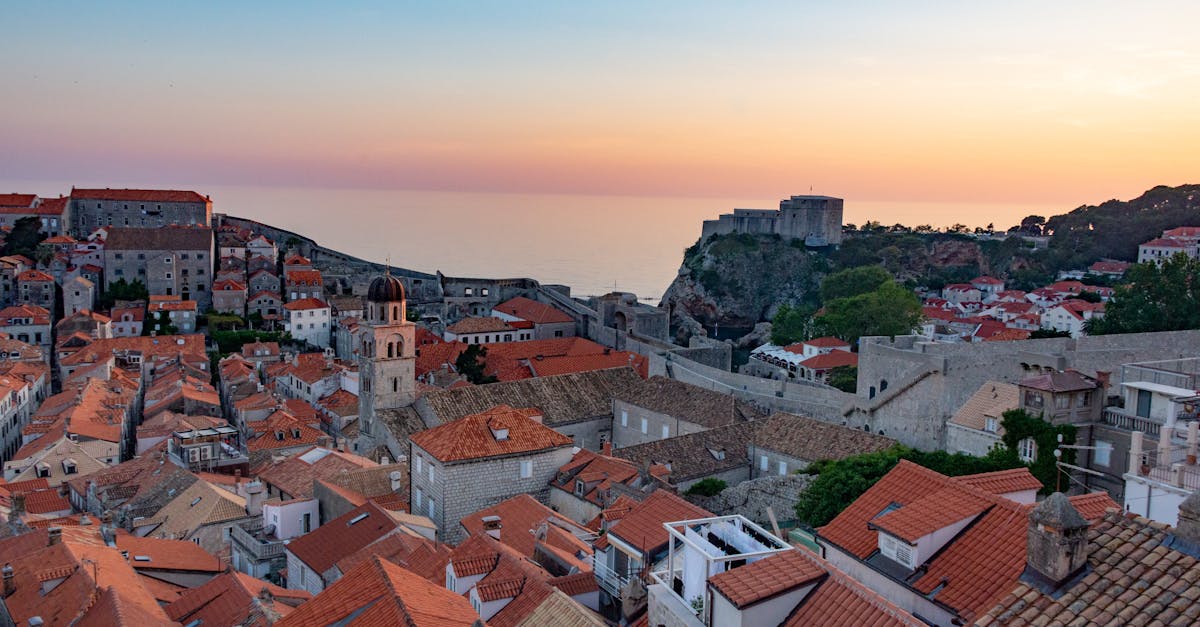
Choosing the right neighborhood can enhance your Dubrovnik experience, catering to various budgets and preferences. Here are some recommended areas:
- Old Town: For those who want to immerse themselves in history, staying in the Old Town is ideal. While accommodations can be pricier, you’ll be steps away from iconic landmarks like the Rector’s Palace and Sponza Palace. This area is perfect for travelers who enjoy a vibrant atmosphere and easy access to attractions.
- Lapad: This neighborhood is known for its beautiful beaches and family-friendly environment. It’s slightly removed from the hustle and bustle of the Old Town, making it a great option for budget and mid-range travelers. You’ll find a range of accommodations, from guesthouses to apartments, and plenty of local dining options.
- Ploče: If you’re looking for a touch of luxury, Ploče offers stunning views of the Adriatic Sea and is home to some upscale accommodations. This area is also close to the Old Town and provides a more tranquil atmosphere. It’s perfect for couples or those seeking a romantic getaway.
- Babin Kuk: Located a bit further from the city center, Babin Kuk is an excellent choice for travelers seeking a quieter stay. The area boasts beautiful beaches and lush greenery, with a mix of budget and mid-range hotels. It’s ideal for families or anyone looking to relax away from the tourist crowds.
Top Things to Do in Dubrovnik#
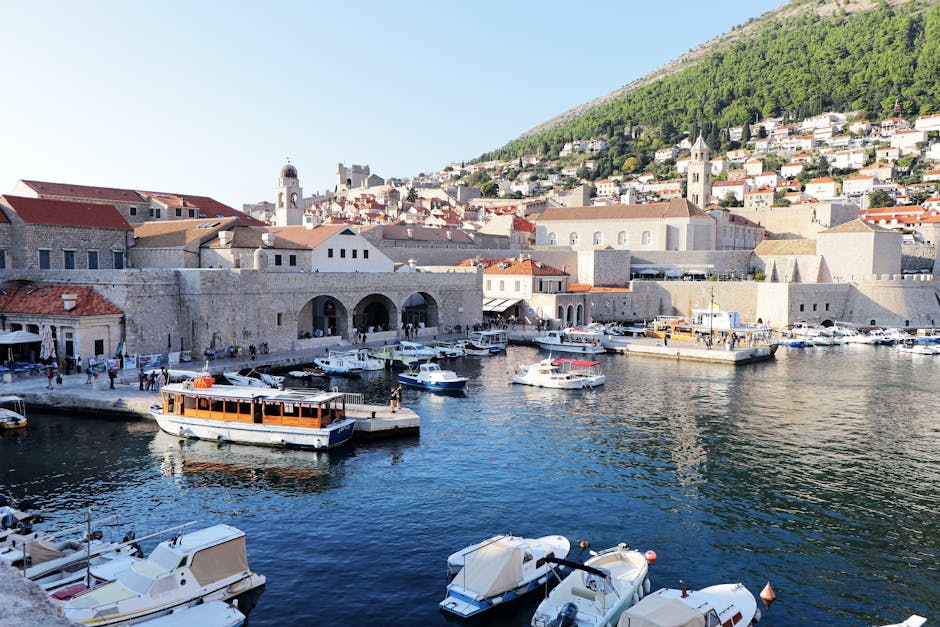
Dubrovnik is packed with activities and attractions that cater to all interests. Here are some must-see spots and experiences:
- City Walls: A visit to Dubrovnik is incomplete without walking the ancient city walls. Spanning nearly two miles, these fortifications offer stunning views of the Adriatic Sea and the red rooftops of the Old Town. The walk can take about an hour, so wear comfortable shoes!
- Old Town: Stroll through the UNESCO-listed Old Town, where you can explore historic sites like the Rector’s Palace, the Franciscan Monastery, and the iconic Onofrio’s Fountain. The charming streets are lined with cafes, shops, and local art galleries.
- Dubrovnik Cable Car: For panoramic views of the city and surrounding islands, take a ride on the Dubrovnik Cable Car. The ascent to Mount Srđ provides breathtaking vistas, especially during sunset.
- Lokrum Island: Just a short ferry ride from the Old Town, Lokrum Island is a serene escape. Explore its botanical gardens, visit the ancient Benedictine monastery, and enjoy swimming in the crystal-clear waters.
- Fort Lovrijenac: Perched on a cliff, this impressive fortress offers a glimpse into Dubrovnik’s military history. It’s also a popular venue for Shakespearean plays during the summer months, adding a cultural touch to your visit.
- Banje Beach: Located near the Old Town, Banje Beach is perfect for sunbathing and swimming. The beach offers stunning views of the city walls and is a great spot to relax after a day of sightseeing.
- Sponza Palace: This architectural gem is a must-visit for history buffs. The palace features stunning Gothic and Renaissance elements and houses the city archives, showcasing Dubrovnik’s rich history.
- Game of Thrones Tour: For fans of the hit series, a Game of Thrones tour is a fun way to explore the filming locations throughout the city. Discover where iconic scenes were shot while learning behind-the-scenes stories.
- Ragusa 3D: Experience Dubrovnik’s history in a unique way with a visit to Ragusa 3D, an interactive museum that brings the city’s past to life through immersive exhibits.
- St. John Fortress: Another impressive fortress that now houses the Maritime Museum, St. John Fortress offers insights into Dubrovnik’s seafaring history and spectacular views of the harbor.
Food and Dining Guide#
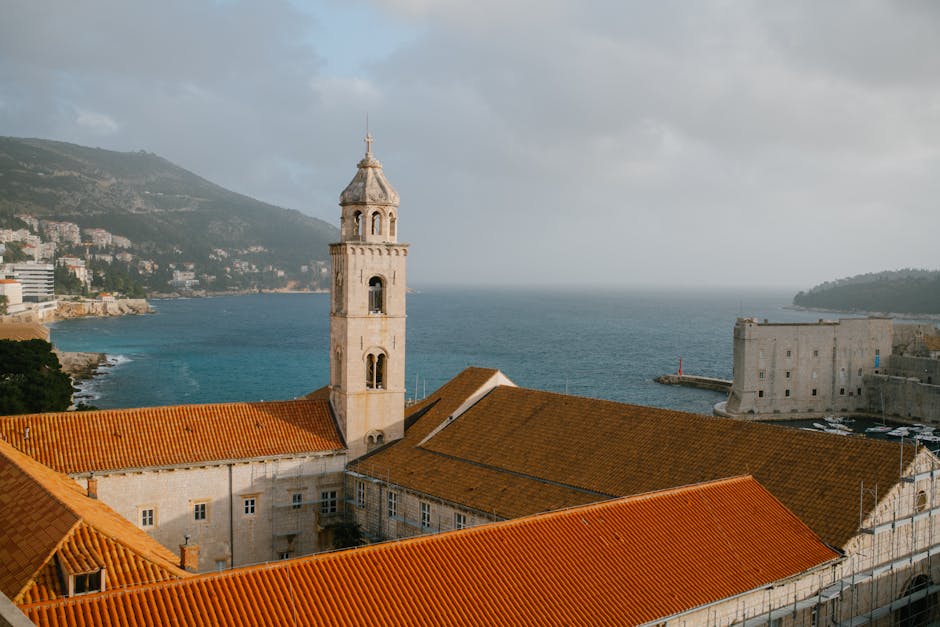
Dubrovnik’s culinary scene is a delightful mix of Mediterranean flavors, fresh seafood, and traditional Croatia n dishes. Here are some local cuisine highlights and must-try dishes:
- Seafood: Being a coastal city, Dubrovnik is renowned for its fresh seafood. Try local specialties like grilled fish, octopus salad, and calamari. Many restaurants along the coast offer outdoor seating, allowing you to enjoy your meal with a view.
- Peka: This traditional dish consists of meat (often lamb or veal) and vegetables slow-cooked under a bell-shaped lid. The result is tender, flavorful meat that melts in your mouth. It’s a must-try for anyone seeking an authentic Croatian experience.
- Burek: A popular street food, burek is a savory pastry filled with meat, cheese, or spinach. You can find it at bakeries throughout the city and it’s perfect for a quick snack on the go.
- Rozata: For dessert, don’t miss rozata, a local custard pudding flavored with rose liqueur. It’s a sweet treat that perfectly complements a meal and is widely available in restaurants.
- Wine: Croatia is home to some excellent wines, particularly from the Dalmatian region. Be sure to sample local varieties like Plavac Mali or Pošip while dining in Dubrovnik.
Wine: Croatia is home to some excellent wines, particularly from the Dalmatian region. Be sure to sample local varieties like Plavac Mali or Pošip while dining in Dubrovnik.
When dining out, you’ll find a range of options from casual street food stalls to upscale restaurants. For a more local experience, consider enjoying a meal at a konoba, a traditional Croatian tavern.