📌 Disclaimer
Prices, schedules, tour details, flight routes, visa requirements, and all other information on this page are based on data at the time of writing. Fares, availability, and policies may change. Please verify current details on the official website before booking.
Why Visit Dublin?#
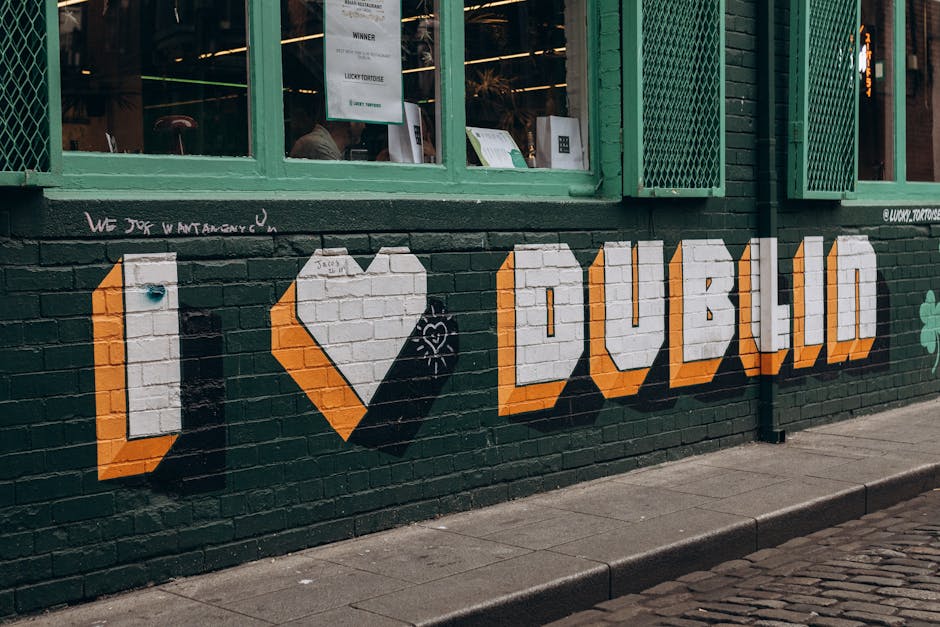
Dublin, the capital city of Ireland , is a vibrant blend of rich history, dynamic culture, and warm hospitality. From its medieval architecture and literary heritage to its lively pub scene and contemporary art galleries, Dublin offers a unique experience for every traveler. Walking through the cobblestone streets, you can feel the echoes of famous literary figures like James Joyce and W.B. Yeats, who were inspired by the city’s charm. Whether you’re exploring the historic Trinity College or enjoying a pint at a local pub, Dublin’s welcoming atmosphere makes it a must-visit destination.
One of the city’s most enchanting aspects is its ability to seamlessly weave the old with the new. You can visit ancient castles and cathedrals during the day and enjoy a cutting-edge music scene or modern art exhibitions at night. The River Liffey divides the city and serves as a picturesque backdrop for your adventures. With a thriving culinary scene that showcases both traditional Irish fare and international cuisine, Dublin is not just a feast for the eyes but also for the palate.
Best Time to Visit Dublin#
Dublin’s climate is characterized by mild temperatures and frequent rain, making it essential to consider the best time for your visit.
- Spring (March to May): This is one of the best times to visit, as temperatures range from 45°F to 60°F. The city starts to bloom with flowers, and crowds are manageable, especially in March and April. Prices for accommodations are generally lower before the peak tourist season kicks in.
- Summer (June to August): Summer sees the warmest temperatures, ranging from 55°F to 70°F. This is peak tourist season, so expect larger crowds and higher prices. Festivals, outdoor events, and vibrant street life make this a lively time to explore the city.
- Fall (September to November): Fall is another excellent time to visit. Temperatures cool down to about 45°F to 65°F, and the summer crowds dissipate. September is particularly pleasant, while October and November can bring a bit more rain.
- Winter (December to February): Winters in Dublin are cold, with temperatures averaging between 35°F to 50°F. While it’s the quietest time for tourism, the city lights up for the holidays, and you can enjoy cozy pubs and holiday markets. Prices for accommodations drop significantly, making it a budget-friendly option.
Where to Stay in Dublin#
Choosing the right neighborhood in Dublin can greatly enhance your travel experience. Here are some recommendations across different budget tiers:
- Budget: Consider staying in the areas around Smithfield or the north side of the River Liffey. These neighborhoods offer affordable hostels and guesthouses, giving you easy access to the city center without breaking the bank.
- Mid-Range: The Temple Bar area is known for its vibrant atmosphere, packed with pubs and restaurants. It’s an excellent choice for those who want to be in the heart of the action. Alternatively, look at the trendy neighborhoods of Portobello or Rathmines for a more local vibe.
- Luxury: For a more upscale experience, head to the Georgian Quarter or the Dublin Docklands. These areas feature elegant hotels with stunning views and proximity to attractions like Dublin Castle and the National Gallery. You’ll find a perfect blend of comfort and convenience here.
Top Things to Do in Dublin#
- Trinity College and the Book of Kells: Home to Ireland’s oldest university, Trinity College houses the stunning Book of Kells, an illuminated manuscript dating back to the 9th century. The Long Room Library is also a must-see, with its breathtaking collection of ancient books.
- Dublin Castle: This historic castle, dating back to the 13th century, offers a glimpse into Ireland’s turbulent past. Explore the State Apartments, the Chapel Royal, and the beautiful gardens surrounding the castle.
- The Guinness Storehouse: No trip to Dublin is complete without a visit to the Guinness Storehouse. Learn about the brewing process and enjoy a pint of the iconic stout at the Gravity Bar, which offers panoramic views of the city.
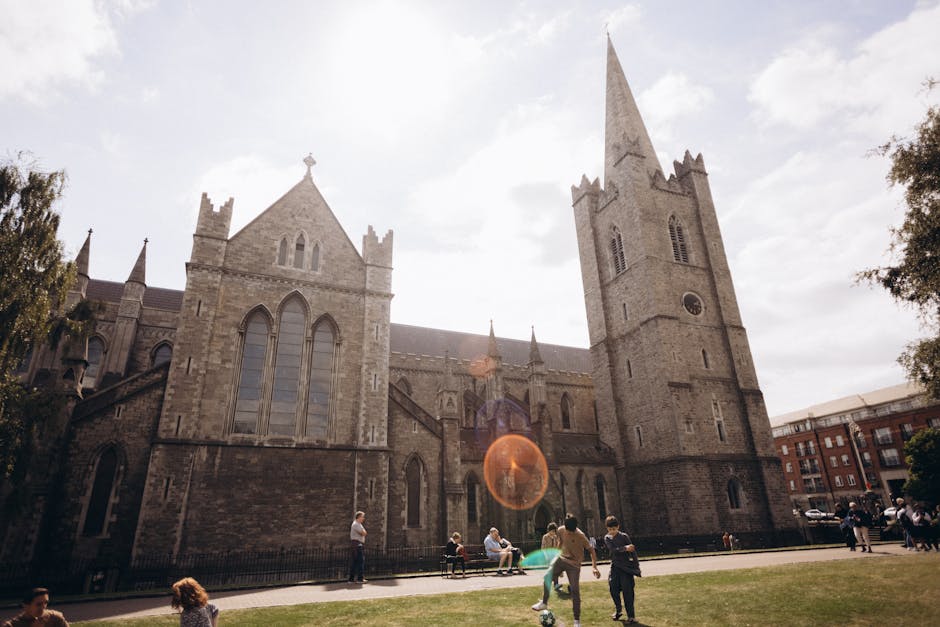
- St. Patrick’s Cathedral: As the largest cathedral in Ireland, St. Patrick’s is a stunning example of Gothic architecture. Explore its beautiful grounds and check out the fascinating exhibits about its history.
- Kilmainham Gaol: This former prison is a poignant reminder of Ireland’s fight for independence. Guided tours provide insight into the lives of political prisoners and the role the gaol played in the country’s history.
- Phoenix Park: One of the largest urban parks in Europe, Phoenix Park is perfect for a leisurely stroll or a picnic. The park is home to a herd of wild deer and several historical monuments, including the Wellington Monument.
- The National Museum of Ireland: With multiple locations around the city, the National Museum offers a deep dive into Ireland’s cultural and historical heritage. Highlights include the treasures of the Viking and medieval periods.
- The Ha’penny Bridge: This iconic pedestrian bridge over the River Liffey is a great spot for photos. Built in 1816, it connects the bustling areas of Temple Bar and the south side of the city.
- Smithfield Square: A lesser-known gem, Smithfield Square hosts a variety of local markets and events. It’s a great place to experience Dublin’s local culture away from the tourist crowds.
- The Irish Museum of Modern Art (IMMA): Located in the beautiful Royal Hospital Kilmainham, IMMA showcases contemporary art and hosts regular exhibitions and events. The grounds are also worth exploring for their serene atmosphere.
Trinity College and the Book of Kells: Home to Ireland ’s oldest university, Trinity College houses the stunning Book of Kells, an illuminated manuscript dating back to the 9th century. The Long Room Library is also a must-see, with its breathtaking collection of ancient books.
Food and Dining Guide#
Dublin’s culinary scene is a delightful mix of traditional Irish dishes and modern gastronomy. Here are some local cuisine highlights you shouldn’t miss:
- Irish Stew: A hearty dish made with lamb or beef, potatoes, carrots, and onions, Irish stew is a staple that warms the soul. You can find it in many pubs and restaurants around the city.
- Fish and Chips: This classic dish is a must-try in Dublin. Crispy battered fish served with chunky chips is a favorite among locals and visitors alike.
- Boxty: A traditional Irish potato pancake, boxty can be served in various ways. Try it filled with meats or vegetables for a unique taste of Ireland.
- Full Irish Breakfast: Start your day like a local with a full Irish breakfast, featuring eggs, sausages, bacon, black and white pudding, baked beans, and toast. It’s a filling meal that will keep you energized for your day of exploring.
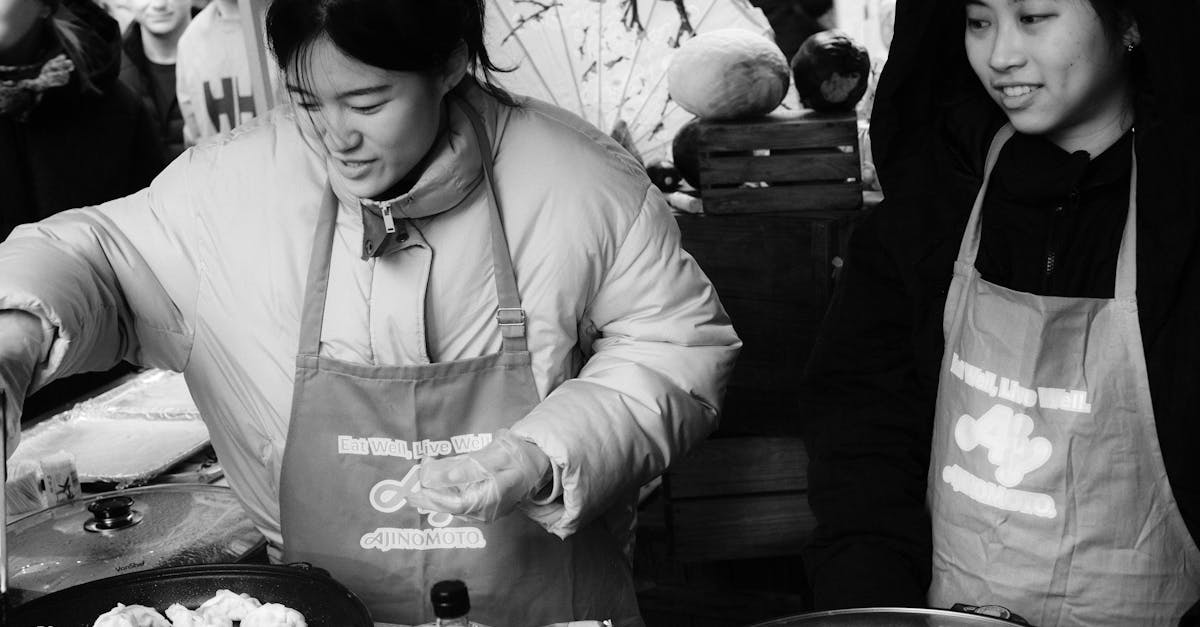
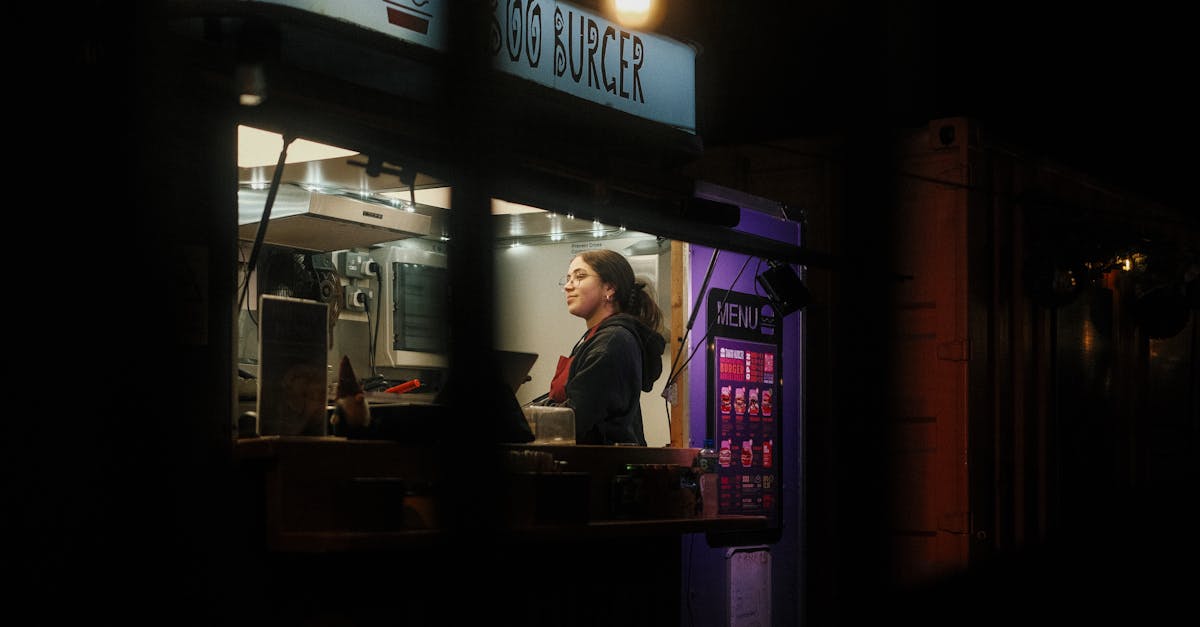
- Street Food: Dublin’s street food scene is thriving, with food trucks and stalls offering everything from gourmet sandwiches to artisanal pastries. Explore markets like the Dublin Flea Market or the Temple Bar Food Market for a taste of local flavors.
For dining, consider a mix of casual eateries and fine dining spots. Pubs often serve excellent food alongside their drinks, while restaurants may offer more refined experiences. Don’t hesitate to ask locals for their favorite spots!