📌 Disclaimer
Prices, schedules, tour details, flight routes, visa requirements, and all other information on this page are based on data at the time of writing. Fares, availability, and policies may change. Please verify current details on the official website before booking.
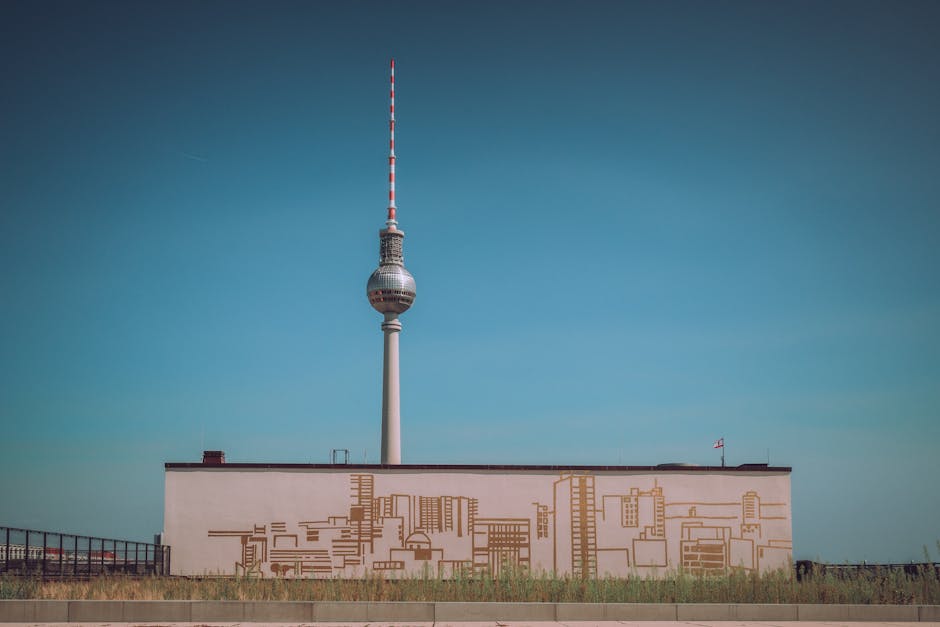
Photo by Trieu Kim Tran on Pexels
Why Visit Berlin ?#
Berlin is a city that pulsates with creativity, history, and a vibrant culture that captivates visitors from around the globe. Once divided by the infamous Berlin Wall, this capital has transformed into a hub of art, music, and innovation, attracting millions of travelers each year. What sets Berlin apart is its unique ability to blend the past with the present. You can stroll through the remnants of its tumultuous history while enjoying cutting-edge galleries, eclectic neighborhoods, and a thriving nightlife scene. Whether you’re a history buff, an art lover, or a foodie, Berlin offers something for everyone.
The city is a melting pot of cultures, which is reflected in its diverse neighborhoods and culinary scene. From the historic sites of Mitte to the trendy vibes of Kreuzberg, each area tells a different story. Berlin’s openness and inclusivity make it a welcoming destination for all types of travelers. With world-class museums, breathtaking architecture, and an unyielding spirit of resilience, Berlin promises an experience that is both enriching and unforgettable.
Best Time to Visit Berlin#
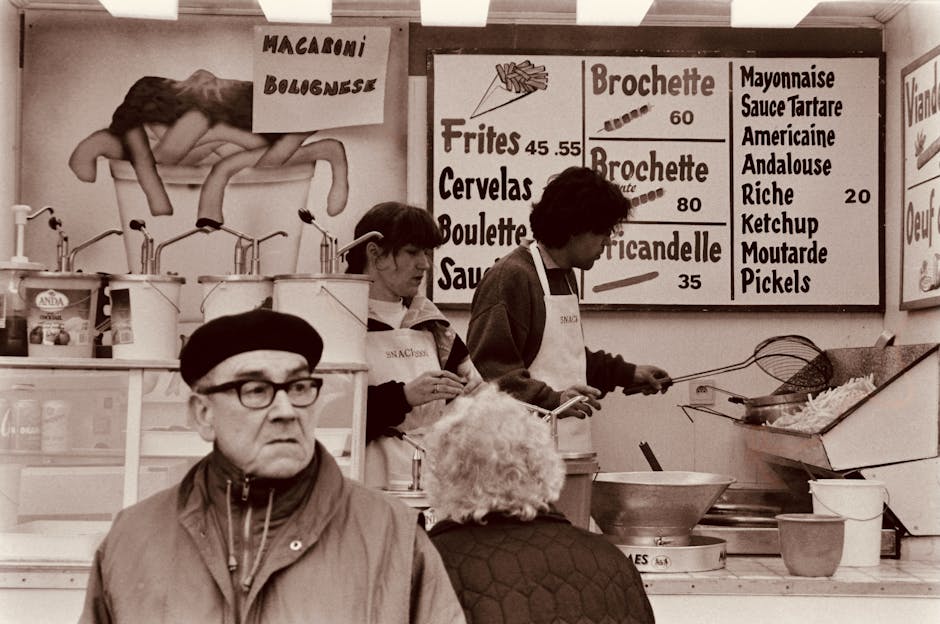
Berlin’s climate is characterized by four distinct seasons, each offering unique experiences. Spring (March to May) is one of the best times to visit, as the weather warms up, flowers bloom, and outdoor festivals begin. Expect temperatures ranging from the mid-40s to mid-60s Fahrenheit, making it ideal for exploring the city on foot.
Summer (June to August) brings warm weather and longer days, with temperatures often reaching the 70s and 80s. This is peak tourist season, so expect larger crowds and higher prices, especially for accommodations. However, Berlin’s numerous parks and outdoor events make it a lively time to visit.
Fall (September to November) is another excellent time to explore Berlin. The weather is still mild, with temperatures in the 50s to 60s, and the fall foliage adds a picturesque backdrop to your adventures. Prices for accommodations tend to drop after the summer rush, making it more budget-friendly.
Winter (December to February) can be quite cold, with temperatures often dipping below freezing. However, visiting during this time offers a chance to experience Berlin’s enchanting Christmas markets, cozy cafes, and cultural events. Just be prepared for shorter days and the possibility of snow.
Where to Stay in Berlin#
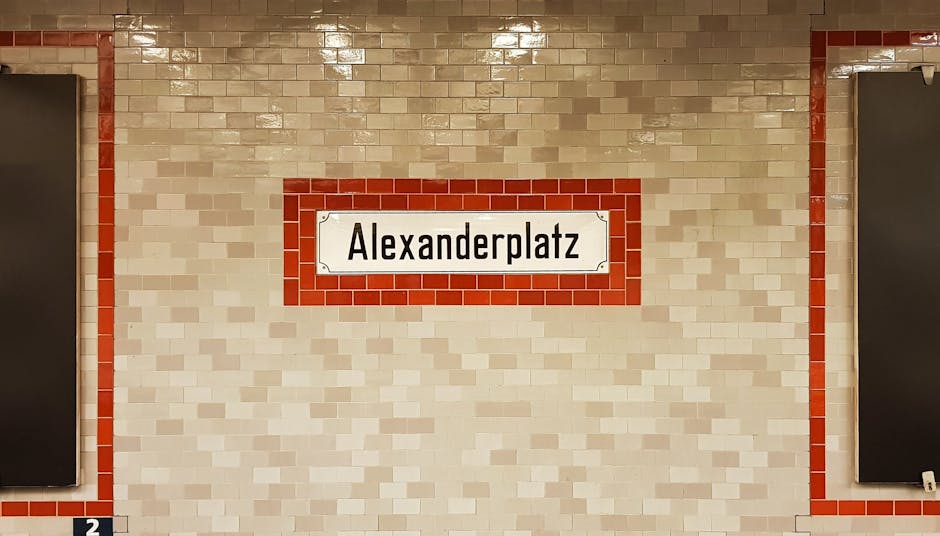
Choosing the right neighborhood can enhance your experience in Berlin. Here are some recommendations across different budget tiers:
Budget: For budget travelers, staying in areas like Friedrichshain or Kreuzberg is ideal. These neighborhoods are known for their vibrant street art, affordable eateries, and lively atmosphere, making them popular among young travelers and backpackers.
Mid-Range: If you’re looking for a balance between comfort and affordability, consider Mitte. This central district is home to many major attractions, museums, and shops. It offers a range of mid-range accommodations that provide easy access to public transport and dining options.
Luxury: For those seeking a more upscale experience, the Charlottenburg district is a great choice. Known for its elegant architecture and proximity to the famous Kurfürstendamm shopping street, this area offers high-end hotels and fine dining options, perfect for a luxurious stay.
Local Experience: For a taste of local life, consider staying in Prenzlauer Berg. This neighborhood is filled with charming cafes, boutiques, and parks, providing a more residential feel while still being close to the city center.
Top Things to Do in Berlin#
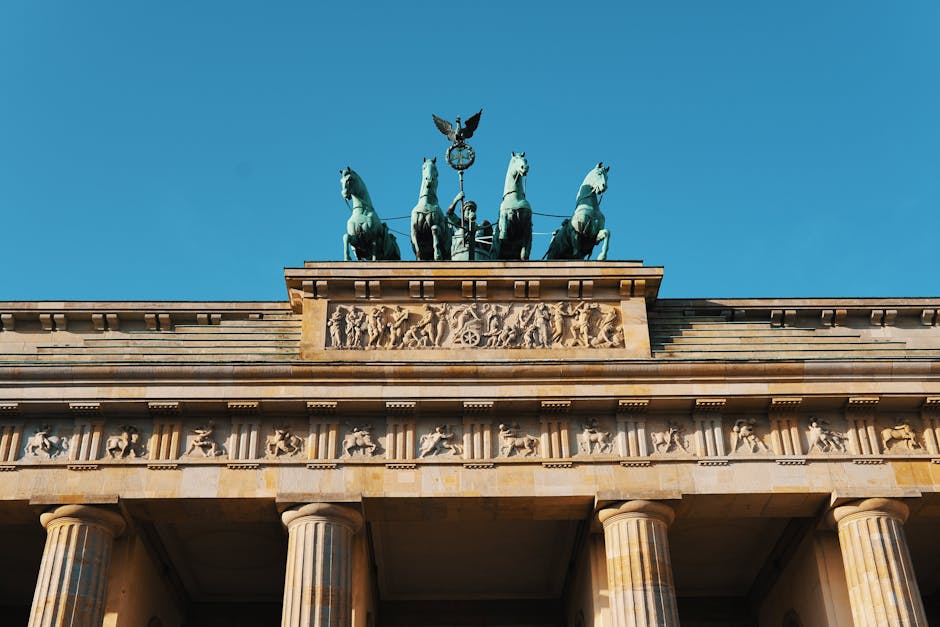
Brandenburg Gate: This iconic symbol of Berlin is a must-visit. Once a dividing line during the Cold War, it now stands as a monument of peace and unity.
Berlin Wall Memorial: Visit this historical site to gain insight into the division of Berlin. The memorial features a preserved section of the wall and an informative visitor center.
Museum Island: A UNESCO World Heritage site, this collection of five museums houses some of the world’s most significant art and artifacts. Plan to spend a day exploring its treasures.
East Side Gallery: This open-air gallery features murals painted on a remaining section of the Berlin Wall. It’s a vibrant display of creativity and a powerful reminder of the city’s history.
Reichstag Building: Home to the German Parliament, this architectural masterpiece offers stunning views from its glass dome. Be sure to book your visit in advance.
Tempelhofer Feld: Once an airport, this vast park is now a recreational space where locals gather to bike, skate, and picnic. It’s a unique spot to experience Berlin’s outdoor culture.
Kreuzberg’s Street Food Scene: Explore the culinary delights of this hip neighborhood, where you can find everything from traditional currywurst to international street food vendors.
Potsdamer Platz: A bustling square that showcases Berlin’s modern architecture and entertainment options, including shopping, cinemas, and restaurants.
Sachsenhausen Concentration Camp Memorial: A short trip from the city, this somber site offers a deep and moving insight into the Holocaust. It’s an essential visit for those wanting to understand Berlin’s history.
Berlin Philharmonic: If you’re a music lover, catch a performance by one of the world’s leading orchestras in this architecturally stunning building.
Food and Dining Guide#
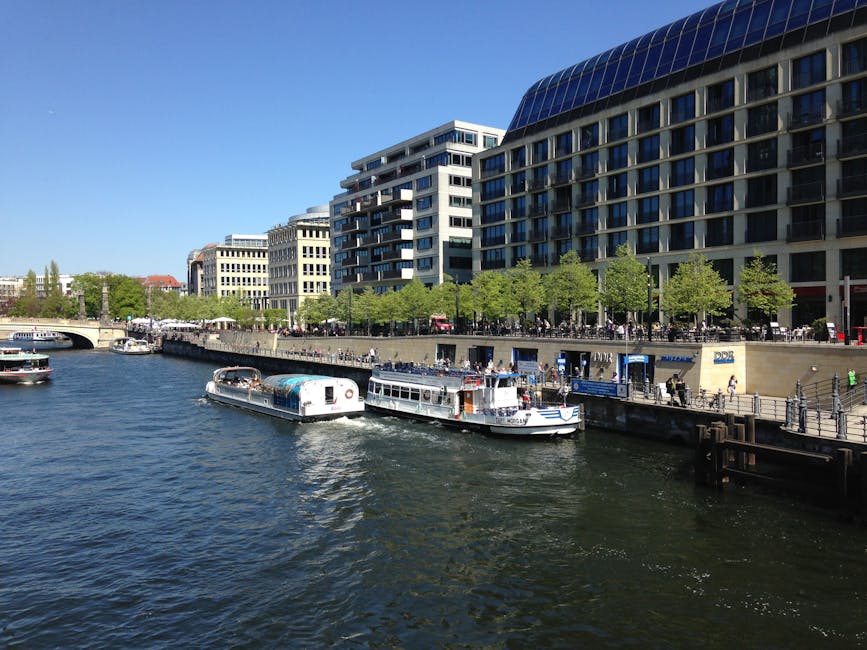
Berlin’s culinary scene is as diverse as its population. The city offers a mix of traditional German fare and international cuisine. Be sure to try these local highlights:
Currywurst: This iconic Berlin street food consists of a sausage topped with a tangy curry ketchup. You can find it at numerous street stalls throughout the city.
Doner Kebab: A popular snack among locals, this Turkish dish features shaved meat wrapped in flatbread with fresh vegetables and sauces. It’s a must-try when exploring Berlin’s multicultural food scene.
Schnitzel: Enjoy a classic German schnitzel, a breaded and fried meat cutlet, typically served with potatoes and salad.
Berliner Pfannkuchen: Don’t leave without tasting this delicious jelly-filled doughnut, a Berlin specialty that’s perfect for a sweet treat.
Street Food Markets: Explore the various street food markets, like Markthalle Neun in Kreuzberg, where you can sample a variety of local and international dishes, all in one place.
Getting Around Berlin#
Berlin boasts a highly efficient public transportation system that includes buses, trams, and trains (S-Bahn and U-Bahn). A day pass is a great option for tourists, allowing unlimited travel within designated zones. The city is also very walkable, especially in areas like Mitte and Kreuzberg, where many attractions are close together.
While taxis are available, they can be more expensive than public transport. If you prefer more flexibility, consider renting a bike, as Berlin is bike-friendly with numerous dedicated lanes. Renting a car is generally not necessary and can be cumbersome due to parking limitations and traffic.
Budget Breakdown#
Understanding your budget is crucial for a successful trip to Berlin. Here’s a rough estimate of daily expenses:
Budget Travelers: Expect to spend around $50-70 per day. This includes staying in hostels or budget hotels, eating from street vendors or casual eateries, and using public transport.
Mid-Range Travelers: A daily budget of $100-150 is reasonable. This allows for comfortable accommodations, dining at mid-range restaurants, and entry fees to attractions.
Luxury Travelers: For those looking to indulge, a budget of $250 and above per day will provide for high-end accommodations, fine dining experiences, and private tours or activities.
Travel Tips for Berlin#
Safety: Berlin is generally safe, but like any major city, be aware of your surroundings and keep an eye on your belongings, especially in crowded areas.
Tipping: Tipping is customary in Germany. Round up the bill or leave about 10-15% for good service.
Language: While many Berliners speak English, learning a few basic German phrases can enhance your experience and is appreciated by locals.
SIM Cards: Consider purchasing a local SIM card for your phone upon arrival. This will help you stay connected and navigate the city easily.
Scams to Avoid: Be cautious of overly friendly strangers offering unsolicited help or trying to sell you something. Stick to official vendors and services.
Cultural Etiquette: Berliners appreciate punctuality, so try to be on time for appointments or reservations.
Public Transport Etiquette: Always validate your ticket before boarding public transport. Fines for fare evasion can be steep.
Berlin is a city that invites exploration and discovery. With its rich history, diverse culture, and vibrant atmosphere, you’re sure to come away with unforgettable memories. If you’re also considering a trip to Nice, France or Lake Bled, Slovenia , check out our guides for more travel inspiration!