📌 Disclaimer
Prices, schedules, tour details, flight routes, visa requirements, and all other information on this page are based on data at the time of writing. Fares, availability, and policies may change. Please verify current details on the official website before booking.
Photo by Ylanite Koppens on Pexels
Why Visit Athens ?#
Athens, the cradle of Western civilization, is a city where ancient history intertwines seamlessly with modern life. As the birthplace of democracy, philosophy, and the arts, it offers travelers a unique glimpse into the past while also providing the vibrancy of a contemporary metropolis. From the iconic Acropolis to the bustling Plaka neighborhood, Athens is a city that invites exploration and discovery. The rich tapestry of its history, combined with its lively street life and delicious cuisine, makes Athens a must-visit destination for any traveler.
The city’s diverse culture is reflected in its architecture, food, and people. Visitors can wander through ancient ruins, enjoy world-class museums, and savor authentic Greek dishes at local tavernas. Moreover, Athenians are known for their hospitality, making it easy for first-time visitors to feel welcomed. Whether you’re an art enthusiast, a history buff, or simply looking to enjoy a laid-back vacation filled with delicious food and stunning views, Athens has something special to offer.
Best Time to Visit Athens#

Athens experiences a Mediterranean climate, characterized by hot, dry summers and mild, wet winters. The best time to visit largely depends on your preferences for weather and crowd levels.
Spring (March to May) is ideal for those looking to avoid the intense summer heat. Temperatures range from the mid-50s to the mid-70s °F, and the city is in full bloom, making it a picturesque time to explore. Crowds are manageable, and prices for accommodations are reasonable, especially in March and early April.
Summer (June to August) brings high temperatures that can soar into the 90s °F. This is peak tourist season, so expect larger crowds and higher prices, particularly in July and August. However, summer also offers vibrant nightlife and numerous festivals, perfect for those who enjoy a lively atmosphere.
Fall (September to November) is another excellent time to visit. Early fall sees warm weather, with temperatures in the 70s °F, and fewer tourists as the summer rush subsides. Prices begin to drop in late September, making it a budget-friendly option. By November, temperatures can dip into the 50s °F, but the city retains its charm.
Winter (December to February) is the least popular time for tourists, as temperatures can range from the mid-40s to low 60s °F. While the weather is cooler and rainier, you can enjoy a more authentic experience without the crowds, and prices for accommodations are at their lowest.
Where to Stay in Athens#

Choosing the right neighborhood in Athens can greatly enhance your experience. Here are some excellent recommendations across different budget tiers:
Budget: The areas of Kifisia and Exarchia offer affordable accommodations without sacrificing charm. Kifisia is a bit more suburban, known for its parks and cafes, while Exarchia is a bohemian hub filled with art, music, and a youthful vibe.
Mid-Range: Plaka and Monastiraki are both fantastic options for mid-range travelers. Plaka is the historic heart of Athens, characterized by its narrow streets, traditional tavernas, and proximity to major attractions like the Acropolis. Monastiraki is lively and vibrant, known for its flea market and great public transport connections.
Luxury: For those looking to splurge, Kolonaki and Syntagma are upscale neighborhoods with high-end hotels, designer shops, and fine dining. Kolonaki offers a chic atmosphere, while Syntagma is home to the Greek Parliament and is perfect for those who enjoy being in the center of it all.
Top Things to Do in Athens#

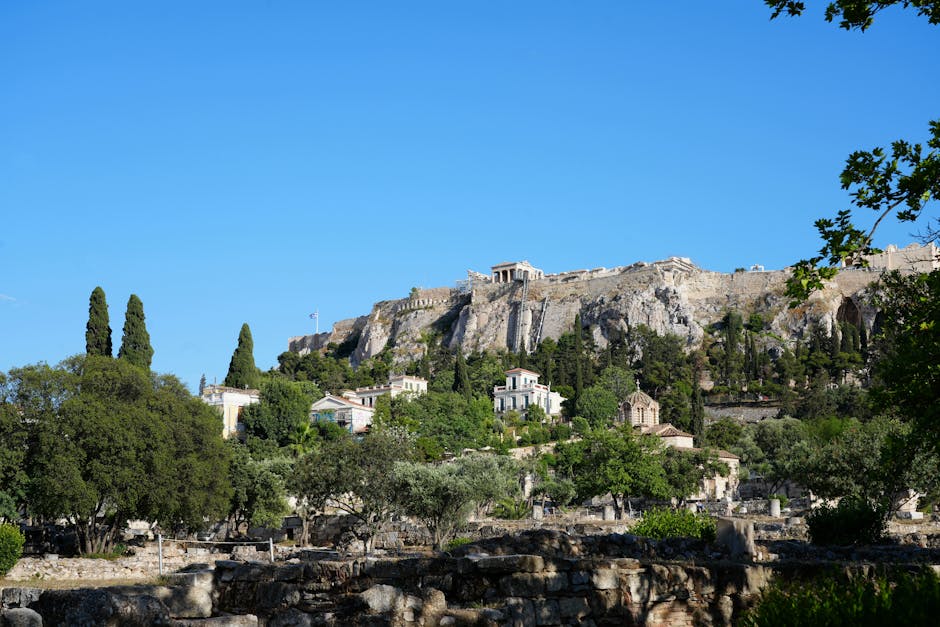
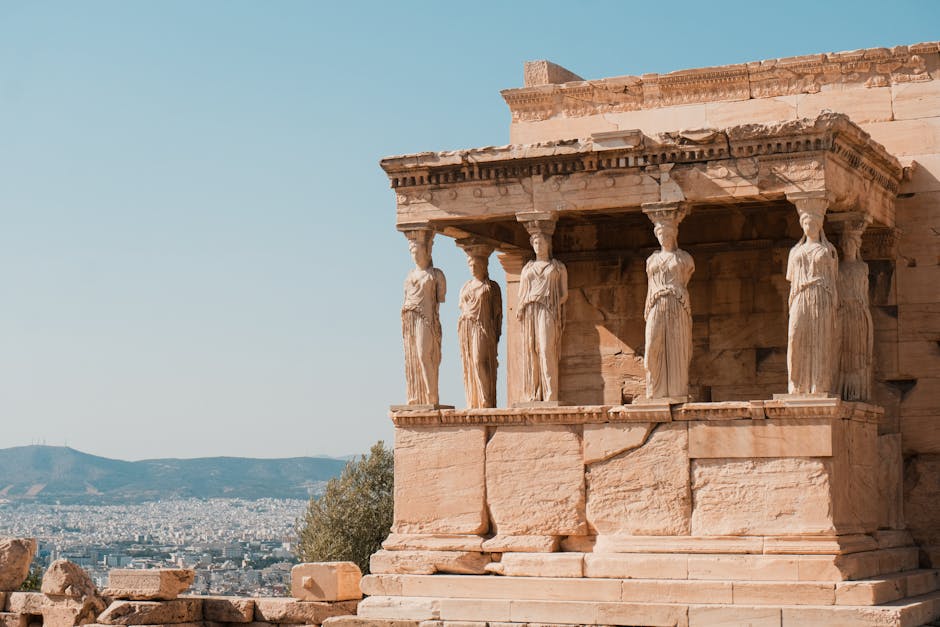
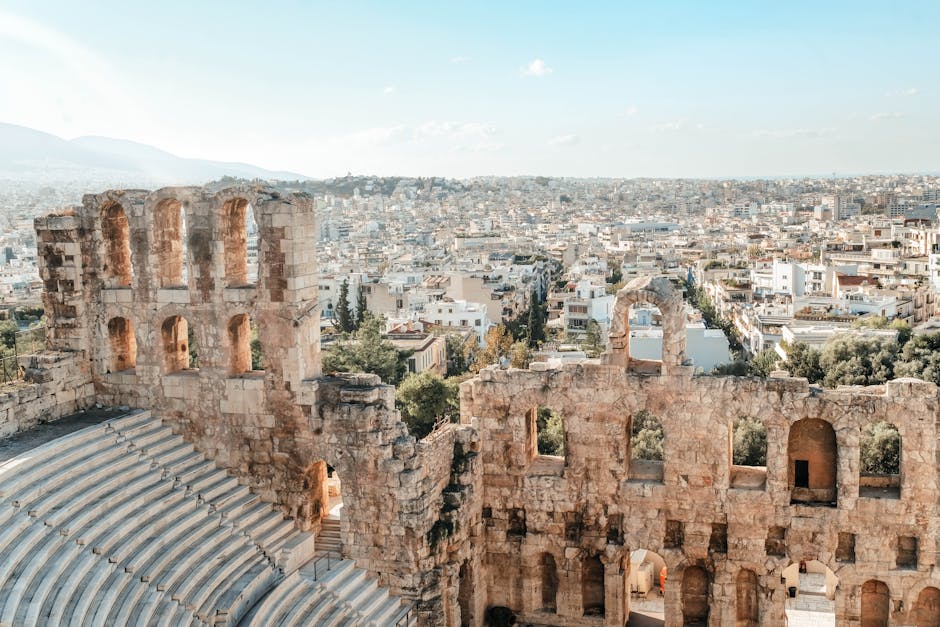
The Acropolis: No visit to Athens is complete without exploring this ancient citadel. The Parthenon, a temple dedicated to the goddess Athena, is the highlight, and the views of the city from the top are breathtaking.
Acropolis Museum: Just a short walk from the Acropolis, this modern museum houses artifacts and exhibits related to ancient Athens. The glass floors offer a glimpse of the ruins beneath.
Plaka Neighborhood: Stroll through the picturesque streets of Plaka, where you can find charming shops, cafes, and historical sites. It’s the perfect place to soak in the local culture.
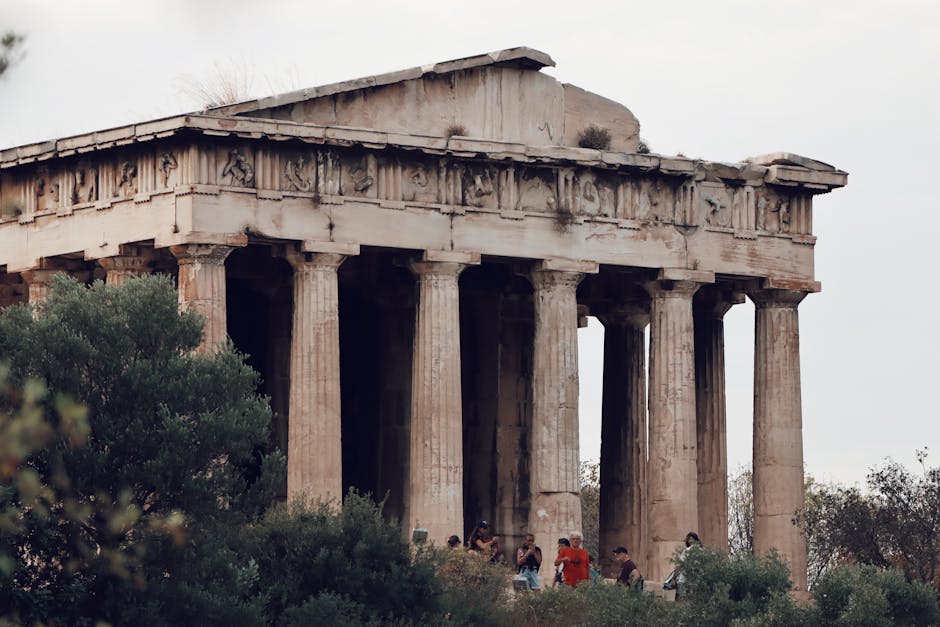
Ancient Agora: Once the heart of Athenian public life, the Ancient Agora features impressive ruins and the well-preserved Temple of Hephaestus. It’s a fantastic spot for history enthusiasts.
Mount Lycabettus: For stunning panoramic views of Athens, hike or take the funicular to the top of this hill. At sunset, the views are particularly magical.
National Archaeological Museum: This museum is one of the most important in the world, showcasing a wealth of ancient Greek artifacts, including sculptures, pottery, and jewelry.
Syntagma Square: Witness the Changing of the Guard ceremony in front of the Greek Parliament. This square is also a hub for shopping and dining.
Kerameikos: Explore this ancient cemetery that offers a unique perspective on Athenian burial practices and features fascinating archaeological finds.
Gazi: This former industrial district is now a vibrant area filled with nightlife, art galleries, and restaurants. It’s a great place to experience the local scene after dark.
Street Art Tour: Athens is known for its impressive street art. Take a guided tour or wander through neighborhoods like Psiri and Exarchia to admire the colorful murals and graffiti.
Food and Dining Guide#
Greek cuisine is a highlight of any visit to Athens, with its emphasis on fresh ingredients and bold flavors. Here are a few local favorites you shouldn’t miss:
Moussaka: A hearty baked dish made with layers of eggplant, minced meat, and béchamel sauce, moussaka is a classic Greek comfort food.
Souvlaki: Skewered and grilled meat, often served with pita bread, tomatoes, and onions. It’s a popular street food that’s perfect for a quick bite on the go.
Spanakopita: This savory pie filled with spinach and feta cheese is a must-try. You can find it in bakeries and tavernas throughout the city.
Tzatziki: A refreshing dip made from yogurt, cucumbers, garlic, and herbs, tzatziki is perfect for pairing with bread or grilled meats.
Baklava: For dessert, indulge in this sweet pastry made of layers of filo dough, nuts, and honey syrup. It’s a delightful treat to satisfy your sweet tooth.
While street food is an excellent way to enjoy local flavors, don’t miss the opportunity to dine at traditional tavernas for a more authentic experience. Many of these establishments offer a warm atmosphere and home-cooked meals that showcase the best of Greek hospitality.
Getting Around Athens#
Athens is a walkable city, especially in the central areas where most attractions are located. However, there are several options for getting around:
Public Transit: The Athens Metro is efficient and connects major sites, making it a convenient option for travelers. Buses and trams also operate throughout the city, providing additional routes.
Taxis: Taxis are readily available and relatively affordable compared to other European cities. Always ensure the meter is running, and avoid unlicensed taxis.
Walking: Many of Athens’ attractions are within walking distance of each other, especially in neighborhoods like Plaka and Monastiraki. Walking allows you to soak in the local culture and discover hidden gems along the way.
Rental Cars: While renting a car can provide flexibility, driving in Athens can be challenging due to traffic and limited parking. It’s generally not necessary for exploring the city, but it may be useful for day trips to nearby destinations.
Budget Breakdown#
Understanding the cost of travel in Athens can help you plan your trip effectively. Here’s a rough daily budget estimate for different types of travelers:
Budget Travelers: Expect to spend around $50-70/day. This includes staying in budget accommodations, enjoying street food, using public transport, and visiting free or low-cost attractions.
Mid-Range Travelers: A budget of $100-200/day is reasonable. This allows for comfortable accommodations, dining at mid-range restaurants, and partaking in some paid activities or tours.
Luxury Travelers: For those seeking a more upscale experience, a budget of $250 and up per day is advisable. This would cover luxury accommodations, fine dining, private tours, and transportation.
Regardless of your budget, Athens offers a wealth of experiences that cater to all types of travelers.
Travel Tips for Athens#
Safety: Athens is generally safe for tourists, but it’s wise to stay alert, especially in crowded areas. Keep your belongings secure to avoid pickpockets.
Tipping: Tipping is customary in Greece . In restaurants, rounding up the bill or leaving a 5-10% tip is appreciated. For taxi drivers, rounding up to the nearest euro is common.
Language: While many Athenians speak English, learning a few basic Greek phrases can go a long way in enhancing your interactions.
SIM Cards: If you plan to stay connected, consider purchasing a local SIM card upon arrival for affordable data and calling options.
Scams to Avoid: Be cautious of overly friendly strangers offering unsolicited help or guiding services. Stick to official tours and services for the best experience.
Dress Code: When visiting churches and monasteries, dress modestly. Women should cover their shoulders and knees, while men should avoid shorts.
Plan for Walking: Wear comfortable shoes, as you’ll likely be doing a lot of walking on uneven surfaces, especially in ancient ruins.
Athens is a city that beautifully balances its rich history with the buzz of modern life. Whether exploring ancient ruins, enjoying delicious food, or soaking in the vibrant culture, first-time visitors are bound to leave with unforgettable memories. If you’re also considering a trip to Nice, France or Lake Bled, Slovenia , check out our guide for more travel inspiration.